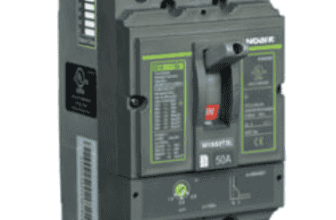
For business owners, ensuring the safety and efficiency of your electrical system is crucial to smooth operations. One essential but often overlooked component is the commercial circuit breaker. These devices protect your electrical infrastructure by preventing overloads, short circuits, and electrical faults that can damage equipment or even cause fires.
But what exactly are commercial circuit breakers, how do they relate to industrial motor controls and commercial motor controls, and why should every business owner have a solid understanding of them? Let’s explore these questions and more, equipping you with the knowledge to make informed decisions for your company’s electrical safety and efficiency. industrial circuit breakers
What Are Commercial Circuit Breakers and Why Are They Important?
Commercial circuit breakers are specialized electrical safety devices designed for commercial buildings, warehouses, retail centers, and other business environments. Unlike residential circuit breakers, which handle lower voltages and simpler electrical loads, commercial breakers are built to manage higher currents and more complex electrical systems.
Why should you care about commercial circuit breakers?
• Protect your business assets: Prevent costly damage to expensive electrical equipment.
• Ensure employee safety: Avoid electrical fires and shocks in the workplace.
• Maintain operational uptime: Prevent unexpected power outages that disrupt business.
How Do Commercial Circuit Breakers Work?
Commercial circuit breakers monitor electrical current flow. When the current exceeds a safe threshold due to overload or fault, the breaker automatically trips, cutting off power to that circuit. This action prevents overheating, equipment damage, and potential fires.
Key features that distinguish commercial circuit breakers include:
• Higher amperage ratings to handle larger loads.
• Compatibility with three-phase power systems common in commercial settings.
• Enhanced durability for frequent switching and heavy-duty operation.
The Role of Electrical Transformers and Electrical Power Transformers
In many commercial electrical systems, electrical transformers—or more specifically, electrical power transformers—work hand-in-hand with circuit breakers. Transformers modify voltage levels to suit your facility’s equipment requirements.
• Electrical power transformers step down high-voltage power from the grid to usable voltages.
• Circuit breakers protect transformers by interrupting faults that can otherwise damage these expensive components.
Understanding the relationship between your transformers and circuit breakers helps optimize your facility’s electrical infrastructure and prevent costly downtime.
What Are Industrial Motor Controls and Commercial Motor Controls?
Many commercial businesses rely on electric motors for HVAC systems, manufacturing equipment, elevators, pumps, and conveyor belts. These motors require precise management and protection, which is where industrial motor controls and commercial motor controls come into play.
• Industrial motor controls refer to systems that manage heavy machinery and manufacturing motors in factories.
• Commercial motor controls typically manage motors in buildings—like HVAC fans, escalators, or water pumps.
Both types of motor controls often work alongside commercial circuit breakers to protect motors from electrical faults and ensure efficient operation.
Common Types of Commercial Circuit Breakers
Understanding the types of commercial breakers can help you select the right solutions for your business:
1. Molded Case Circuit Breakers (MCCBs)
• Handle large current loads.
• Adjustable trip settings to protect various equipment.
• Widely used in commercial and industrial facilities.
2. Air Circuit Breakers (ACBs)
• Designed for high voltage and high current applications.
• Found in main electrical distribution panels.
3. Miniature Circuit Breakers (MCBs)
• Used for lower current circuits within commercial buildings.
• Common in lighting and outlet circuits.
Tips for Business Owners: Maintaining Your Commercial Circuit Breakers
Keeping your commercial circuit breakers in top condition helps prevent costly electrical failures:
• Regular inspections: Schedule professional electrical inspections to catch wear or damage early.
• Routine testing: Periodically test breakers to ensure they trip correctly.
• Keep records: Maintain detailed logs of breaker maintenance and replacements.
• Educate staff: Train employees on signs of electrical problems such as frequent trips or flickering lights.
When Should You Upgrade Your Commercial Circuit Breakers?
Here are some signs that your commercial circuit breakers may need upgrading:
• Your facility has expanded, increasing electrical loads.
• Breakers frequently trip without obvious cause.
• The electrical system uses outdated or obsolete breakers.
• Equipment connected to the system has changed, requiring different breaker ratings.
• Breakers show signs of physical damage or wear.
Upgrading breakers along with electrical power transformers and motor controls can improve safety and efficiency.
Why Work with Professional Electrical Equipment Suppliers?
Choosing the right electrical equipment suppliers is crucial for sourcing high-quality commercial circuit breakers and related components. Reliable suppliers offer:
• Genuine, certified products compliant with industry standards.
• Expert advice on breaker selection based on your business needs.
• Support for complex installations involving industrial motor controls and transformers.
Investing in quality products from trusted suppliers minimizes risks and ensures your electrical system’s longevity.
Conclusion
Commercial circuit breakers are the unsung heroes of your business’s electrical safety, protecting costly equipment and ensuring continuous operations. By understanding their function, how they integrate with industrial motor controls, commercial motor controls, and electrical power transformers, you can make smarter decisions about your electrical infrastructure.
Regular maintenance, timely upgrades, and partnering with trusted electrical equipment suppliers will safeguard your business from electrical hazards, reduce downtime, and optimize your facility’s energy efficiency.
For any business owner, investing time and resources into understanding and managing commercial circuit breakers is not just a safety measure—it’s a key strategy for long-term success.
If you’d like help evaluating your current electrical system or selecting the right commercial circuit breakers for your business, feel free to reach out!