


Are you tired of dealing with dull, lifeless hair? Look no further – the answer lies in the right shampoo. Hair shampoo not only cleanses the scalp and hair, but it also offers a range of benefits that contribute to healthier, more lustrous locks. With the right shampoo, you can improve the overall condition of your hair, boosting its strength, shine, and manageability.
Using a shampoo specifically formulated for your hair type can make a world of difference. Whether you have dry, oily, or damaged hair, there’s a shampoo out there tailored to address your specific needs. For instance, if you struggle with dryness, a moisturizing shampoo enriched with natural oils and nourishing ingredients can replenish hydration and restore vitality to your hair.
Aside from addressing specific concerns, regular use of shampoo also helps keep your scalp healthy by removing dirt, excess oil, and product buildup. This, in turn, promotes better hair growth.
In this article, we explore the different benefits of using hair shampoo and provide tips on finding the best shampoo for your hair type. Say goodbye to lackluster locks and hello to beautiful, healthy hair with the help of the right shampoo.
The Importance of Using Shampoo
Proper hair care starts with using the right shampoo. Shampooing regularly helps maintain the cleanliness of your hair and scalp, preventing the buildup of dirt, oil, and product residue. This is essential for overall hair health as a clean scalp promotes better hair growth.
Using shampoo also helps to remove excess sebum, the natural oil produced by the scalp. While sebum is necessary to keep the hair moisturized, an excess of it can lead to greasy and oily hair. By using shampoo, you can effectively cleanse your scalp and regulate sebum production, keeping your hair fresh and free from excessive oiliness.
Furthermore, shampooing is an important step in preparing your hair for other hair care products, such as conditioners and treatments. By removing impurities and product buildup, your hair becomes more receptive to the benefits of these products, allowing them to penetrate the hair shaft more effectively.
Remember, however, that over-shampooing can strip the hair and scalp of their natural oils, leading to dryness and damage. Finding the right balance and frequency of shampooing is crucial for maintaining healthy hair.
Different Types of Hair Shampoos
The market is flooded with various types of hair shampoos, each catering to specific hair concerns. Understanding the different types can help you choose the right shampoo for your hair type and achieve the desired results.
- Moisturizing Shampoo: If you have dry or damaged hair, a moisturizing shampoo is your best bet. These shampoos are formulated with hydrating ingredients, such as natural oils and plant extracts, to nourish and restore moisture to dry, brittle hair. They help improve the texture and manageability of the hair, leaving it soft, smooth, and shiny.
- Volumizing Shampoo: For those with fine or limp hair, volumizing shampoos can work wonders. These shampoos contain ingredients that add body and lift to the hair, making it appear fuller and thicker. They also help improve the overall texture and bounce of the hair, giving it a more voluminous and glamorous look.
- Clarifying Shampoo: Over time, the hair can accumulate product residue, pollutants, and hard water minerals, which can weigh it down and make it appear dull. Clarifying shampoos are designed to deep cleanse the hair and remove stubborn buildup, restoring its natural shine and vitality. However, since they can be quite intense, they should be used sparingly to avoid stripping the hair of its natural oils.
- Color-Protecting Shampoo: If you have color-treated hair, it’s important to use a shampoo specifically formulated to protect and preserve your hair color. Color-protecting shampoos are designed to minimize color fading and maintain the vibrancy of dyed hair. They often contain UV filters and antioxidants that shield the hair from environmental damage and color degradation.
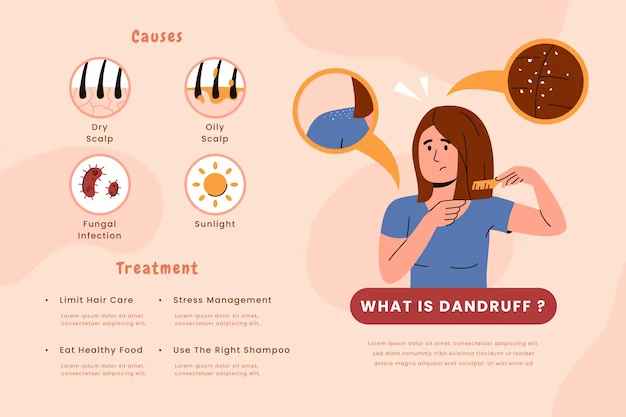
- Anti-Dandruff Shampoo: Dandruff is a common scalp condition characterized by flaky, itchy skin. Anti-dandruff shampoos work by targeting the underlying causes of dandruff, such as fungal infections or dry scalp, to effectively reduce flakes and alleviate itching. These shampoos often contain active ingredients like zinc pyrithione or ketoconazole, which have antifungal and anti-inflammatory properties.
Choosing the right shampoo for your hair type plays a crucial role in achieving healthy and beautiful hair. By identifying your specific hair concerns and selecting a shampoo tailored to address them, you can optimize the benefits and results of your hair care routine.
Benefits of Using Hair Shampoo
Regular use of hair shampoo offers a multitude of benefits that go beyond just cleansing the hair. Let’s explore some of the key advantages:
- Clean and Healthy Scalp: Shampooing removes dirt, oil, and product buildup from the scalp, keeping it clean and healthy. A clean scalp is essential for promoting better hair growth and preventing scalp issues like dandruff and itchiness.
- Improved Hair Texture: Using shampoo regularly can significantly improve the texture of your hair. By removing impurities and excess oil, shampoo helps restore the natural balance of your hair, making it softer, smoother, and more manageable.
- Enhanced Hair Strength: Many shampoos are enriched with ingredients that strengthen the hair, such as proteins, vitamins, and minerals. These nutrients penetrate the hair shaft, fortifying it from within and reducing the risk of breakage and damage.
- Shinier, More Lustrous Hair: Shampooing your hair regularly can enhance its natural shine and luster. By removing dirt and product buildup, your hair reflects light better, resulting in a glossy and healthy appearance.
- Stimulated Hair Growth: A clean and well-nourished scalp is conducive to better hair growth. By using shampoo regularly, you can create an optimal environment for hair follicles to thrive, promoting healthier and more robust hair growth.
- Improved Hair and Scalp Health: Shampooing helps maintain a balanced pH level on the scalp, which is essential for overall hair and scalp health. It also prevents the overgrowth of bacteria and fungi, reducing the risk of scalp infections and inflammation.
The benefits of using hair shampoo extend far beyond just cleansing the hair. Regular use of the right shampoo can transform your hair, making it stronger, shinier, and more manageable. By incorporating shampoo into your hair care routine, you can achieve the healthy, beautiful locks you’ve always desired.
Choosing the Right Shampoo for Your Hair Type
Selecting the right shampoo for your hair type is crucial for achieving optimal results. Here are some tips to help you choose the perfect shampoo:
- Identify Your Hair Type: Determine whether you have dry, oily, normal, or combination hair. This will guide you in selecting a shampoo specifically formulated to address your hair’s unique needs.
- Consider Your Scalp Condition: Take into account any scalp issues you may have, such as dandruff or sensitivity. Look for shampoos that target these concerns and contain ingredients known to alleviate them.
- Read the Labels: Pay attention to the ingredients listed on the shampoo bottles. Avoid shampoos that contain harsh sulfates, parabens, and artificial fragrances, as they can strip the hair and cause irritation. Instead, opt for shampoos with natural and nourishing ingredients.
- Seek Professional Advice: If you’re unsure about which shampoo to choose, consult a hairstylist or dermatologist. They can assess your hair and scalp condition and recommend the most suitable shampoo for you.
Remember, finding the right shampoo may involve some trial and error. It’s important to be patient and give your hair some time to adjust to the new product. Once you find the perfect shampoo for your hair type, you’ll notice a significant improvement in its overall condition and appearance.
How to Properly Shampoo Your Hair
While shampooing may seem like a simple task, there are certain techniques you can employ to maximize the benefits of your shampoo. Follow these steps for a proper hair-washing routine:
- Wet Your Hair: Start by thoroughly wetting your hair with warm water. This helps to open up the hair cuticles and allows the shampoo to penetrate the hair more effectively.
- Apply Shampoo: Take a small amount of shampoo and apply it to your scalp. Gently massage the shampoo into your scalp using your fingertips, moving in circular motions. Avoid using your nails, as this can scratch the scalp.
- Work through the Hair: After thoroughly massaging your scalp, work the shampoo through the lengths of your hair. Focus on the roots and areas that are prone to oiliness or product buildup.
- Rinse Thoroughly: Rinse your hair with lukewarm water until all traces of shampoo are removed. Make sure to rinse the hair thoroughly, as leftover shampoo can weigh it down and make it appear dull.
- Condition (Optional): If desired, follow up with a conditioner or treatment suited to your hair type. Apply it to the lengths and ends of your hair, avoiding the scalp. Leave the conditioner on for the recommended time before rinsing it off.
- Final Rinse: Finish off with a final rinse of cool water. This helps to close the hair cuticles and seal in moisture, leaving your hair smoother and shinier.
Remember, it’s important not to over-shampoo or vigorously scrub your hair, as this can lead to dryness, breakage, and irritation. Be gentle with your hair and scalp, and follow a hair-washing routine that works best for you.
Common Mistakes to Avoid When Using Hair Shampoo
While shampooing may seem straightforward, there are some common mistakes that many people make. Avoid these errors to ensure you get the most out of your shampoo:
- Using Too Much Shampoo: More is not always better when it comes to shampoo. Using excessive amounts can strip the hair of its natural oils and lead to dryness. Start with a small amount and add more if necessary.
- Skipping the Scalp Massage: The scalp massage is an essential step in shampooing, as it helps to stimulate blood circulation and promote hair growth. Take the time to massage your scalp gently with your fingertips.
- Rinsing Insufficiently: Thoroughly rinse your hair to remove all traces of shampoo. Leaving shampoo residue can weigh down the hair and make it appear greasy or dull.
- Overusing Clarifying Shampoos: While clarifying shampoos can be effective in removing buildup, using them too frequently can be harsh on the hair. Reserve clarifying shampoos for occasional deep cleansing.
- Using Hot Water: Avoid washing your hair with hot water, as it can strip the hair of its natural oils and lead to dryness. Opt for lukewarm water instead.
- Ignoring Your Hair’s Changing Needs: Your hair’s needs can change over time due to factors like weather, hormonal changes, or chemical treatments. Pay attention to your hair’s condition and adjust your shampooing routine and products accordingly.
By avoiding these common mistakes, you can optimize the benefits of your shampoo and maintain healthier, more beautiful hair.
Natural and Organic Shampoo Options
If you prefer to use natural or organic products, there are plenty of shampoo options available that cater to your preference. These shampoos are formulated with plant-based ingredients and are free from harsh chemicals, sulfates, and synthetic fragrances. Here are some natural and organic shampoo options to consider:
- Herbal Shampoos: These shampoos are infused with herbal extracts, such as aloe vera, chamomile, or lavender, known for their soothing and nourishing properties. They are gentle on the hair and scalp, making them suitable for daily use.
- Ayurvedic Shampoos: Ayurvedic shampoos are based on the ancient Indian healing system of Ayurveda. They often contain herbs like neem, henna, or shikakai, which cleanse and strengthen the hair, promoting overall hair health.
- Coconut Oil-Based Shampoos: Shampoos formulated with coconut oil are excellent for nourishing and moisturizing the hair. Coconut oil helps to repair damaged hair, reduce frizz, and add shine.
- Aloe Vera Shampoos: Aloe vera is known for its hydrating and soothing properties. Shampoos enriched with aloe vera can moisturize the hair, reduce scalp irritation, and promote healthy hair growth.
- Organic Shampoos: Look for shampoos that are certified organic, as they are made with ingredients grown without the use of synthetic fertilizers or pesticides. These shampoos are often gentle and suitable for those with sensitive scalps.
When opting for natural or organic shampoos, it’s important to read the labels and ensure that the products meet your specific hair needs. While they may not produce the same lathering effect as conventional shampoos, they can still effectively cleanse and nourish your hair without the use of harsh chemicals.
DIY Hair Shampoo Recipes
If you enjoy a hands-on approach to your hair care routine, you can try making your own DIY hair shampoos using natural ingredients. Here are a few simple recipes to get you started:
- Coconut Milk Shampoo: Mix 1 cup of coconut milk with 1 cup of liquid castile soap and 20 drops of your favorite essential oil. Use this mixture as a shampoo, lathering it into your hair and rinsing thoroughly.
- Honey and Aloe Vera Shampoo: Combine 1/4 cup of honey, 1/4 cup of aloe vera gel, and 1 cup of liquid castile soap. Add a few drops of essential oil for fragrance, if desired. Use this mixture as a shampoo, massaging it into your hair and scalp before rinsing well.
- Apple Cider Vinegar Clarifying Shampoo: Mix 1/4 cup of apple cider vinegar with 1 cup of water. After shampooing, pour this mixture over your hair and scalp, massaging it in before rinsing thoroughly.
- Baking Soda and Tea Tree Oil Shampoo: Mix 1 tablespoon of baking soda with 1 cup of warm water. Add a few drops of tea tree oil for its antibacterial properties.


