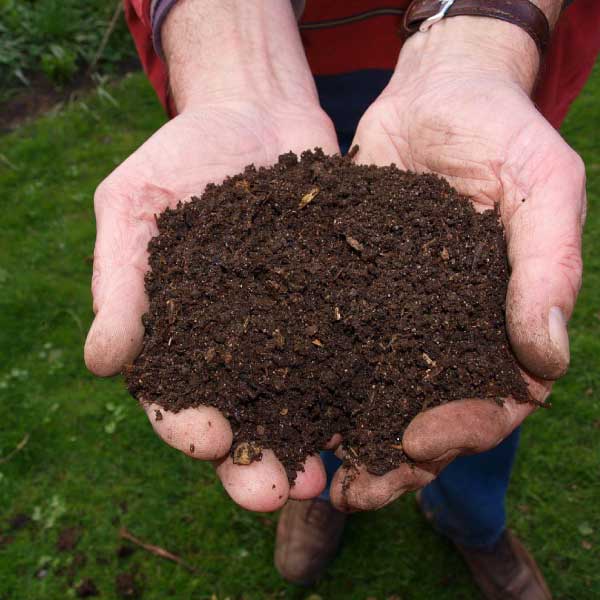
In the quest for a greener and more sustainable lifestyle, home composting emerges as a powerful and accessible practice. Turning kitchen and garden waste into nutrient-rich compost is not only environmentally friendly but also empowers individuals to actively contribute to reducing their carbon footprint. This guide unveils the secrets of effective home composting, inviting you to embark on a journey towards sustainable living.
The Essence of Home Composting
1. Closing the Loop:
- Home composting completes the natural cycle of organic matter. Instead of sending kitchen scraps and garden waste to landfills, you transform them into a valuable resource for your soil.
2. Nutrient-Rich Soil Amendment:
- The compost produced at home is a nutrient-rich soil amendment. It improves soil structure, enhances water retention, and provides essential nutrients for plant growth.
3. Reducing Waste:
- By composting at home, you significantly reduce the amount of organic waste that ends up in landfills. This, in turn, minimizes greenhouse gas emissions associated with organic waste decomposition.
Setting the Stage for Successful Home Composting
1. Selecting a Compost Bin:
- Choose a compost bin that suits your space and needs. Options include traditional bins, tumblers, or vermicomposting systems. The right bin encourages aeration and helps maintain the ideal composting conditions.
2. Strategic Bin Placement:
- Position your compost bin in a convenient location with good drainage. While some sunlight aids in the decomposition process, partial shade is acceptable. Avoid waterlogged areas to prevent anaerobic conditions.
3. Balancing Act:
- Achieve a balanced mix of “green” materials (nitrogen-rich) and “brown” materials (carbon-rich). Green materials include kitchen scraps, while brown materials consist of dry leaves, cardboard, or shredded newspaper.
4. Layering Technique:
- Alternate layers of green and brown materials in your compost bin. Introduce a thin layer of soil to introduce beneficial microorganisms that aid in the decomposition process.
The Recipe for Success: What to Compost
1. Green Materials (Nitrogen-Rich):
- Kitchen scraps like fruit and vegetable peels, coffee grounds, and fresh yard waste provide nitrogen for the composting process.
2. Brown Materials (Carbon-Rich):
- Dry leaves, straw, shredded newspaper, and cardboard serve as carbon-rich brown materials. They create a balanced mix and contribute to the overall structure of the compost.
3. Avoid These Items:
- Exclude meat, dairy products, oily foods, and pet waste to prevent unpleasant odors and pests. Additionally, refrain from adding diseased plants or weeds with persistent seeds.
Nurturing Your Compost: Troubleshooting Tips
1. Addressing Foul Odors:
- Unpleasant smells indicate anaerobic conditions. Increase aeration by turning the compost more frequently and adding more brown materials.
2. Managing Pests:
- Bury kitchen scraps under a layer of brown materials to deter pests. Avoid adding meat or dairy products to minimize attraction to unwanted visitors.
3. Reviving Slow Decomposition:
- If your compost is taking too long to decompose, assess the carbon-to-nitrogen ratio. Adjust by adding more green or brown materials as needed.
Harvesting the Fruits of Your Labor
1. Practice Patience:
- Composting is a gradual process that takes time. Be patient and allow nature to work its magic. Matured compost will be dark, crumbly, and possess an earthy smell.
2. Harvesting Techniques:
- Harvest your compost when it’s ready by scooping out the matured material from the bottom of the bin. Employ a screen or mesh to sift out any larger particles.
3. Applications of Compost:
- Utilize your compost to enrich garden soil, enhance potting mixtures, or as a top dressing for lawns. The benefits include improved nutrient content, enhanced soil structure, and increased water retention.
Cultivating a Sustainable Lifestyle
1. Educate and Share:
- Share your composting knowledge with others. Educate friends and neighbors about the positive environmental impacts of home composting and inspire them to join the sustainable living movement.
2. Expand Green Practices:
- Composting is a gateway to broader sustainable living. Consider adopting additional eco-friendly practices, such as reducing single-use plastics, conserving water, and supporting local, sustainable products.
3. Continuous Learning:
- Stay informed about composting best practices and innovations. Engage with local gardening or environmental communities to exchange ideas and gain insights from experienced composters.
Conclusion
Home composting is not just a practical waste management solution; it’s a transformative journey towards sustainable living. By unveiling the secrets of effective home composting, you contribute to a healthier planet, one compost bin at a time. Embrace the art of composting, and witness how your commitment to green living starts right at home.