


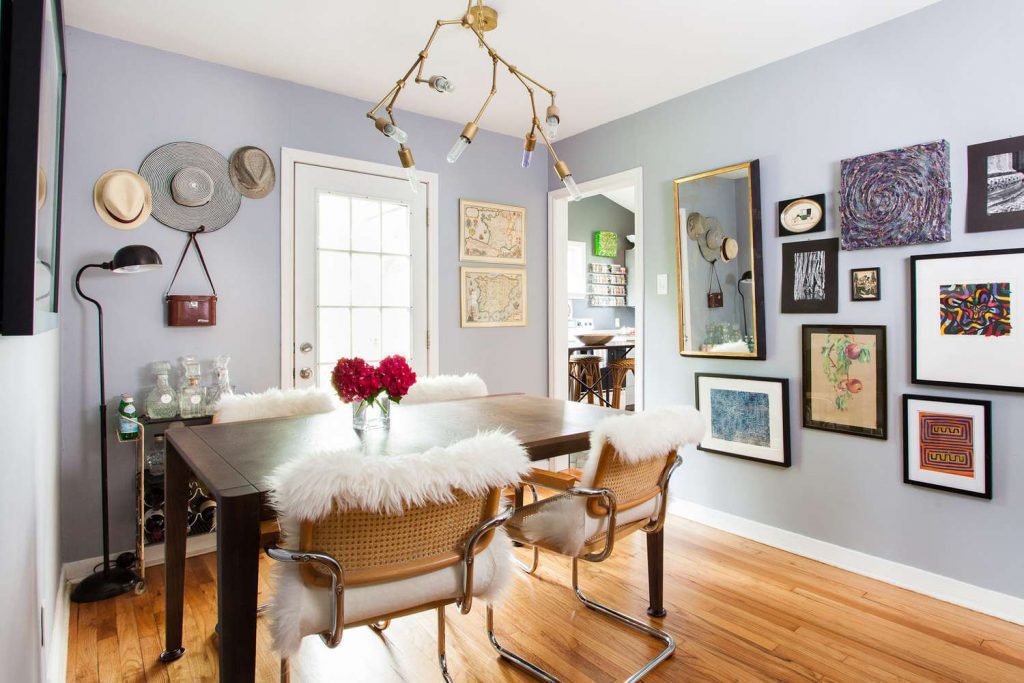
In the realm of interior design, few styles have endured with the same timeless appeal as Mid-Century Modernism. Characterized by clean lines, organic forms, and seamless integration of function and beauty, this design movement has left an indelible mark on homes and commercial spaces alike.
Central to the aesthetic of Mid-Century Modern interiors are the lighting fixtures, particularly lamps, which play a pivotal role in illuminating spaces while adding sculptural interest.
In this comprehensive guide, we’ll delve into the fascinating world of Mid-Century Modern lamps, exploring their defining characteristics, popular types, integration into contemporary design, shopping tips, maintenance techniques, and their enduring relevance in today’s design landscape.
Characteristics of Mid-Century Modern Lamps
Mid-century modern lamps are distinguished by several key characteristics that set them apart from other styles of lighting fixtures. Understanding these traits is essential for appreciating the allure and impact of these iconic pieces.
A. Sleek and Minimalist Designs
One of the hallmarks of Mid-Century Modern lamps is their sleek and minimalist design aesthetic. These lamps often feature clean lines, geometric shapes, and a pared-down simplicity that exudes elegance and sophistication. Unlike ornate or overly embellished fixtures, Mid-Century Modern lamps prioritize simplicity and clarity of form, making them versatile additions to a wide range of interior styles.
B. Organic Shapes and Natural Materials
In keeping with the Mid-Century Modern emphasis on organic forms and natural materials, lamps from this era frequently incorporate elements such as wood, metal, glass, and ceramic. These materials are celebrated for their tactile qualities and inherent beauty, adding warmth and character to the overall design. From sculptural wooden bases to glass globe shades, Mid-Century Modern lamps showcase the beauty of natural materials in their purest form.
C. Functionality Meets Aesthetics
One of the defining principles of Mid-Century Modern design is the seamless integration of functionality and aesthetics. This ethos is evident in the design of Mid-Century Modern lamps, which not only provide illumination but also serve as sculptural focal points within a space. Whether it’s an adjustable arm floor lamp or a multi-tiered pendant light, Mid-Century Modern lamps are designed to be both visually striking and highly functional, offering both form and utility in equal measure.
D. Iconic Mid-Century Modern Lamp Designs
The Mid-Century Modern era produced a wealth of iconic lamp designs that have stood the test of time and continue to inspire designers and collectors today. From the whimsical shapes of George Nelson’s Bubble Lamps to the elegant simplicity of Arne Jacobsen’s AJ Table Lamp, these designs encapsulate the essence of Mid-Century Modern style and continue to be sought after by enthusiasts around the world.
Popular Types of Mid-Century Modern Lamps
Mid-century modern lamps come in a variety of styles and forms, each offering its own unique charm and functionality. Understanding the different types of Mid-Century Modern lamps can help you choose the perfect lighting fixture for your space.
A. Floor Lamps
Floor lamps are a popular choice in Mid-Century Modern interiors, providing both ambient and task lighting while adding vertical interest to a room. Mid-century modern floor lamps often feature slender profiles, tripod bases, and adjustable arms, allowing for versatility in positioning and directing light. Iconic designs such as the Arco Floor Lamp by Achille and Pier Giacomo Castiglioni exemplify the sleek elegance of Mid-Century Modern floor lamps.
B. Table Lamps
Table lamps are another staple of Mid-Century Modern design, offering a compact and versatile lighting solution for desks, bedside tables, and accent surfaces. Mid-century modern table lamps are characterized by their sculptural bases, often crafted from materials such as wood, ceramic, or metal, topped with fabric or glass shades. Designs like the PH 3/2 Table Lamp by Poul Henningsen showcase the harmonious marriage of form and function in Mid-Century Modern table lamps.
C. Pendant Lamps
Pendant lamps are ideal for adding overhead illumination to dining areas, kitchens, and entryways, making them a popular choice in Mid-Century Modern interiors. These lamps typically feature streamlined shapes and materials such as metal or glass, with designs ranging from simple drum shades to intricate geometric patterns. The Nelson Saucer Pendant by George Nelson is a quintessential example of Mid-Century Modern pendant lamp design, with its timeless silhouette and soft, diffused light.
D. Wall Sconces
Wall sconces offer a space-saving lighting solution that can add ambiance and visual interest to any room. In Mid-Century Modern interiors, wall sconces often feature sleek metal or wood frames with fabric or glass shades, casting a warm and inviting glow. Whether used as accent lighting in a living room or as task lighting in a hallway, Mid-Century Modern wall sconces bring both style and functionality to any space.
Incorporating Mid-Century Modern Lamps into Interior Design
Integrating Mid-Century Modern lamps into your interior design scheme can add a touch of retro charm and timeless elegance to any space. Whether you’re aiming for a full Mid-Century Modern makeover or simply looking to incorporate a few statement pieces, here are some tips for seamlessly incorporating these iconic lamps into your home decor.
A. Finding the Right Balance
When incorporating Mid-Century Modern lamps into your interior design, it’s important to strike the right balance between vintage charm and contemporary style. Avoid overwhelming your space with too many retro elements, opting instead for a mix of Mid-Century Modern pieces and contemporary furnishings to create a balanced and cohesive look.
B. Pairing Mid-Century Lamps with Contemporary Decor
Mid-Century Modern lamps can add visual interest and depth to contemporary interiors when paired with sleek and modern furnishings. Consider juxtaposing a vintage floor lamp with a minimalist sofa or placing a retro table lamp atop a sleek console table to create a dynamic contrast between old and new.
C. Creating Focal Points with Statement Lamps
Make a bold statement in your interior design by incorporating a standout Mid-Century Modern lamp as a focal point in a room. Whether it’s a sculptural floor lamp or a colorful pendant light, choosing a statement lamp can instantly elevate the style quotient of your space and become a conversation piece for guests.
D. Lighting Considerations for Different Spaces
When selecting Mid-Century Modern lamps for your home, consider the specific lighting needs of each space. For example, opt for adjustable floor lamps in living rooms to provide task lighting for reading or entertaining, while choosing pendant lamps with diffused shades for soft and ambient illumination in dining areas or bedrooms.
Maintenance and Care for Mid-Century Modern Lamps
Proper maintenance and care are essential for preserving the beauty and functionality of Mid-Century Modern lamps for years to come. Here are some tips to help you keep your lamps looking their best:
A. Cleaning and Dusting Techniques
Regular cleaning is key to keeping Mid-Century Modern lamps looking fresh and vibrant. Use a soft, dry cloth to gently wipe away dust and debris from lampshades, bases, and bulbs. For stubborn stains or buildup, lightly dampen the cloth with water or a mild cleaning solution, being careful not to saturate the materials. Avoid using harsh chemicals or abrasive cleaners, as these can damage delicate finishes and materials.
B. Handling Fragile Materials with Care
Many Mid-Century Modern lamps feature delicate materials such as glass, ceramic, or delicate metals. When handling these lamps, take care to avoid dropping or knocking them against hard surfaces, as this can cause chips, cracks, or other damage. Use caution when changing light bulbs or adjusting lamp shades, and always support the lamp by its sturdiest parts to prevent stress on fragile components.
C. Replacing Bulbs and Electrical Components
Regularly check and replace light bulbs as needed to ensure optimal brightness and performance. When replacing bulbs, be sure to choose the appropriate wattage and size for your lamp, and handle them carefully to avoid breakage. If you encounter any issues with the electrical components of your lamp, such as flickering lights or faulty wiring, it’s best to consult with a qualified electrician or lamp repair specialist to address the problem safely and effectively.
D. Storing and Protecting Lamps When Not in Use
When not in use, store Mid-Century Modern lamps in a clean, dry environment away from direct sunlight and extreme temperatures. Use padded storage boxes or protective covers to prevent dust accumulation and minimize the risk of damage during transit or storage. If storing lamps for an extended period, consider disassembling them and wrapping individual components in acid-free tissue paper or bubble wrap to ensure they remain in pristine condition.
Conclusion
The influence of Mid-Century Modern design can be seen in many of today’s contemporary lighting trends. From the resurgence of globe pendant lights to the popularity of brass and wood accents, elements of Mid-Century Modern style continue to inspire designers and shape the direction of modern lighting design.
The clean lines, minimalist aesthetic, and timeless elegance of Mid-Century Modern lamps make them a versatile choice for a wide range of interior styles. Whether you’re decorating a sleek modern loft or a cozy traditional home, these lamps seamlessly integrate into any space, adding a touch of retro charm and sophistication.


