


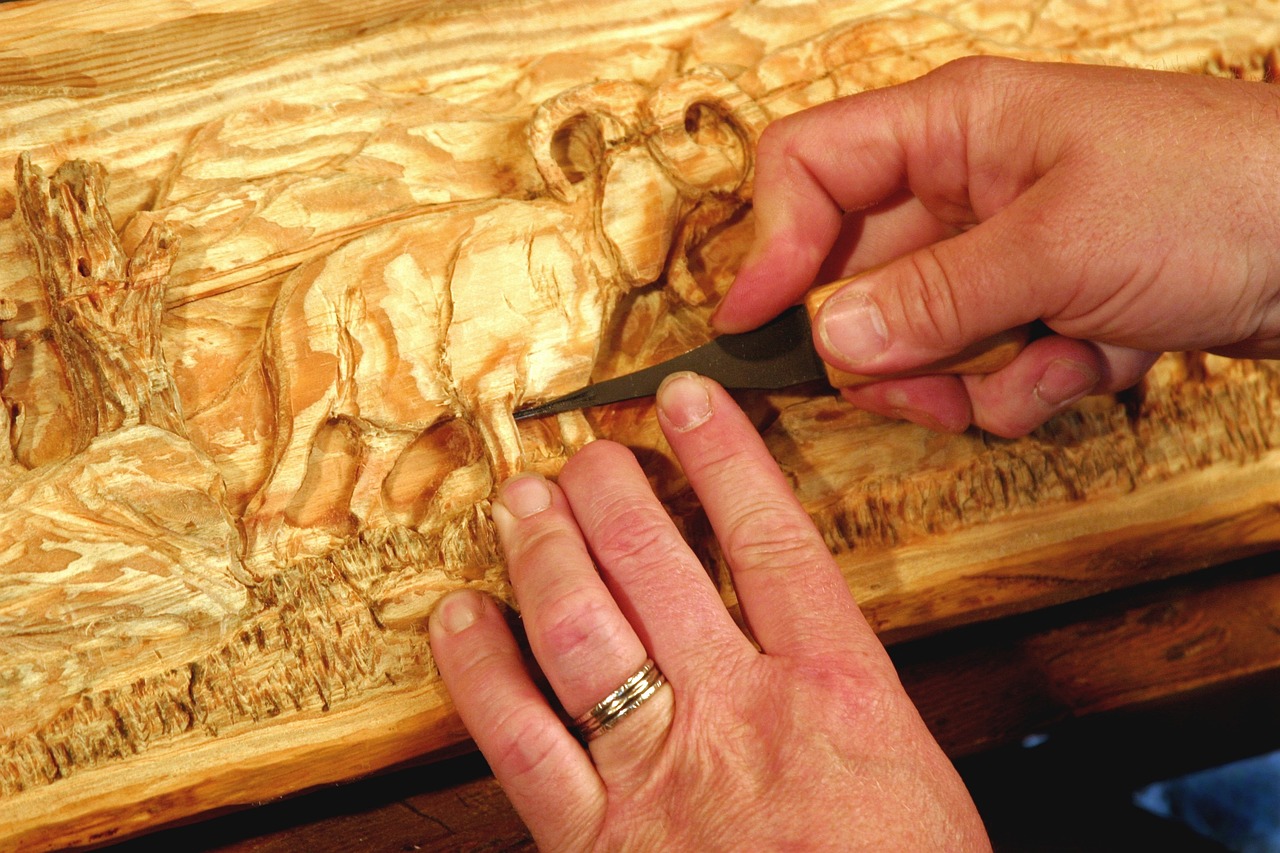
In an era where environmental sustainability is becoming increasingly crucial, the appeal of eco-friendly products has skyrocketed. Among these, wooden handicrafts stand out as shining examples of sustainable sophistication.
Crafted from natural materials with minimal environmental impact, wooden handicrafts offer a unique blend of aesthetic beauty and eco-consciousness.
In this article, we explore the myriad reasons why wooden handicrafts have captured the imagination of environmentally conscious consumers worldwide.
Renewable Resource:
Wood, as a raw material, is inherently renewable. Unlike non-renewable resources such as plastics or metals, wood can be sustainably harvested from responsibly managed forests, ensuring that future generations will continue to have access to this valuable resource.
By choosing wooden handicrafts, consumers support the preservation and responsible management of forests, contributing to the long-term health of our planet.
Low Environmental Impact:
The production process for wooden handicrafts typically involves minimal energy consumption and produces far fewer greenhouse gas emissions compared to the manufacturing of synthetic materials.
Additionally, wooden handicrafts often require minimal processing and use of harmful chemicals, further reducing their environmental footprint.
This makes them an eco-friendly alternative to mass-produced goods made from non-biodegradable materials.
Biodegradability:
One of the key advantages of wooden handicrafts is their biodegradability. Unlike plastics and other synthetic materials that can linger in landfills for centuries, wooden items naturally decompose over time, returning to the earth without causing long-term harm to the environment.
This biodegradability makes wooden handicrafts a sustainable choice for consumers who are mindful of their ecological impact.
Carbon Sequestration:
Trees, the primary source of wood used in handicrafts, play a crucial role in mitigating climate change by absorbing carbon dioxide from the atmosphere and storing it in their biomass.
By supporting the use of sustainably harvested wood in handicrafts, consumers indirectly contribute to carbon sequestration efforts, helping to combat global warming and preserve the planet’s delicate ecological balance.
Timeless Beauty and Quality:
Beyond their environmental benefits, wooden handicrafts also possess a timeless beauty and quality that make them highly desirable for consumers.
Crafted with care and attention to detail, each piece carries the unique characteristics of the wood from which it was made, including its grain, texture, and natural color variations.
Whether it’s a hand-carved sculpture, a finely crafted piece of furniture, or a simple yet elegant kitchen utensil, wooden handicrafts exude a sense of warmth, authenticity, and artisanal craftsmanship that mass-produced goods often lack.
Supporting Local Artisans and Communities:
Choosing wooden handicrafts also means supporting local artisans and communities that rely on traditional craftsmanship for their livelihoods.
Many wooden handicrafts are made by skilled craftsmen and women using time-honored techniques passed down through generations.
By purchasing these handmade items, consumers not only acquire unique and high-quality products but also help preserve cultural heritage and promote economic sustainability in artisanal communities around the world.
In conclusion, the eco-friendly appeal of wooden handicrafts lies not only in their sustainability and minimal environmental impact but also in their timeless beauty, quality, and support for local artisans and communities.
By incorporating wooden handicrafts into their lives, consumers can make a positive difference for the planet while enjoying the sophistication and authenticity that these unique and sustainable products offer.


