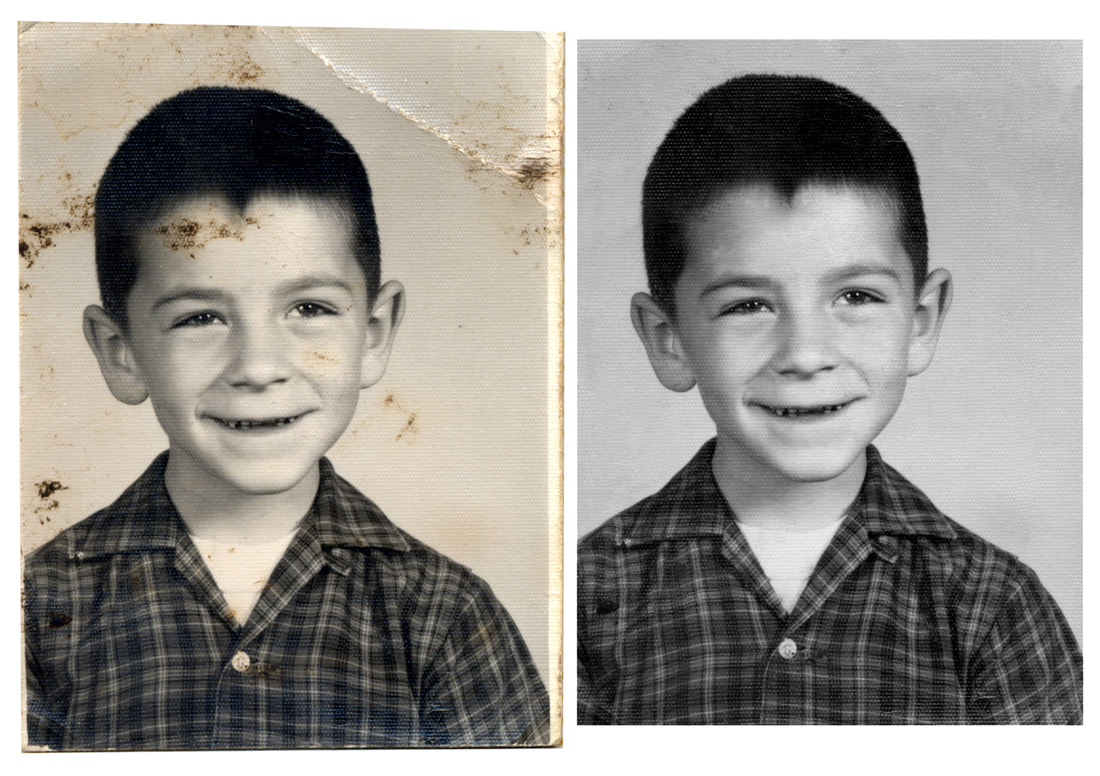
The canvas of history is often painted with the strokes of preserved memories, captured in photographs that have withstood the ravages of time. However, not all have escaped the wear and tear that years inflict. This is where artificial intelligence steps in, underpinning the transformative process of historical photo restoration. By leveraging advanced AI technology, the allure of faded and damaged photographs is not only preserved but revitalized, offering a pristine window into the past.
Rediscovering Visual Heritage through AI
The advent of AI in the realm of old photo restoration is a game changer for archivists, historians, and families alike. Utilizing sophisticated algorithms, old photo restoration AI delves into the very fabric of damaged images, repairing tears, fading, and water damage with astonishing precision. This technology does not just patch or overlay digital information but understands the context and content of damaged areas, restoring them seamlessly to their original state.
This process, driven by AI, goes beyond simple restoration. Old photo restoration AI has the capability to colorize black and white images, bringing a new dimension of reality to what was previously monochrome. Imagine witnessing your great-grandparents’ wedding in gentle sepia tones suddenly bloom with the authentic colors of their time, providing a more vivid and emotional connection to your heritage.
The Significance of Accuracy and Efficiency
The accuracy with which AI-powered tools operate represents a significant upgrade over traditional methods of photo restoration. Historically, photo restoration required the meticulous hand of skilled restorers who would spend hours, if not days, laboring over a single image. In contrast, AI old photo restoration harnesses deep learning to analyze and recreate image details at a pace no human can match. This not only ensures a higher fidelity restoration but also makes the process accessible to more people, democratizing the preservation of history.
Reviving historical photos serves a dual purpose. It not only enhances the aesthetic appeal of these images but also plays a crucial role in educational contexts. Restored images can contribute a clearer understanding of historical contexts in academic settings, making lessons more engaging and relatable. Museums and historical societies leverage these restored images to offer a more immersive experience to visitors, effectively bridging the gap between generations.
Ethical Considerations and Future Perspectives
As with any AI application, ethical considerations must be addressed, ensuring that the restoration process respects the authenticity and integrity of the original images. AI developers are continuously working on refining algorithms to respect these historical accuracies, fostering a balance between technological advancements and historical fidelity.
The future of old photo restoration AI looks promising, with ongoing advancements expected to enhance the granularity and quality of restorations. As AI models learn from each task, their ability to handle more complex restorations continues to grow, promising even more remarkable recoveries of our visual history.
For further insights into how AI plays a pivotal role in image restoration, feel free to explore more here: https://en.wikipedia.org/wiki/Image_restoration_by_artificial_intelligence
The Dawn of a New Era in Historical Preservation
The integration of AI in the field of photo restoration heralds a new era in the conservation and appreciation of historical images. This technological leap allows individuals and institutions to reclaim pieces of history with an unprecedented fidelity and speed, ensuring that our collective memories are not only preserved but are also vivid and vital.
Whether it’s a faded family portrait or a historical cityscape, AI is setting the stage for these treasures to be experienced anew, ensuring that the legacies they hold continue to inspire and educate future generations. As we move forward, the role of AI in historical photo recovery will undoubtedly expand, continuing to illuminate the past in ways we can only imagine.