If you’re new to handling guns and looking to get trained properly in a responsible, legal, and skill-building way, firearms training in Maryland is the best starting point. I was once in your shoes—uncertain, curious, and determined to understand not only how to shoot, but also the laws and responsibilities that come with owning a firearm in this state.
After completing my first official MSP Firearms Training course, I can confidently say the journey is more than just hitting targets—it’s about discipline, awareness, and safety. In this blog, I’ll walk you through what to expect from beginner-level firearms training in Maryland, from classroom instruction to live-fire practice and legal certification requirements.
Understanding Firearms Laws in Maryland
The first and arguably most critical part of firearms training in Maryland is understanding state gun laws. Maryland has some of the strictest firearm regulations in the country. As a beginner, my training started with a comprehensive overview of these laws, including:
- Who is legally allowed to purchase and own firearms
- Requirements for obtaining a Handgun Qualification License (HQL)
- Storage regulations
- Concealed carry permit restrictions
- Where you can and can’t carry a firearm
This legal foundation helped me realize that firearm ownership isn’t a right to be taken lightly. The MSP Firearms Training materials outlined these laws in a structured and understandable way, making sure we were fully aware of our responsibilities under Maryland law.
The Handgun Qualification License (HQL) Course
If you want to own a handgun in Maryland, you’re legally required to complete the HQL course, unless you’re exempt (for example, active law enforcement or military). This course is a core part of beginner firearms training in Maryland.
When I enrolled in my HQL training, it was a 4-hour course, broken down into four essential modules:
- Maryland State Firearm Law
- Home Firearm Safety
- Mechanism and Operation of Firearms
- Live-Fire Training
Each section gave me tools not only to handle a gun but to respect its power and potential.
Classroom Instruction: More Than Just the Basics
I was surprised at how thorough the classroom portion was. It wasn’t just a lecture; it was a full-on interactive experience. We were taught how to safely load and unload various types of handguns, identify gun parts, and properly clean and maintain them.
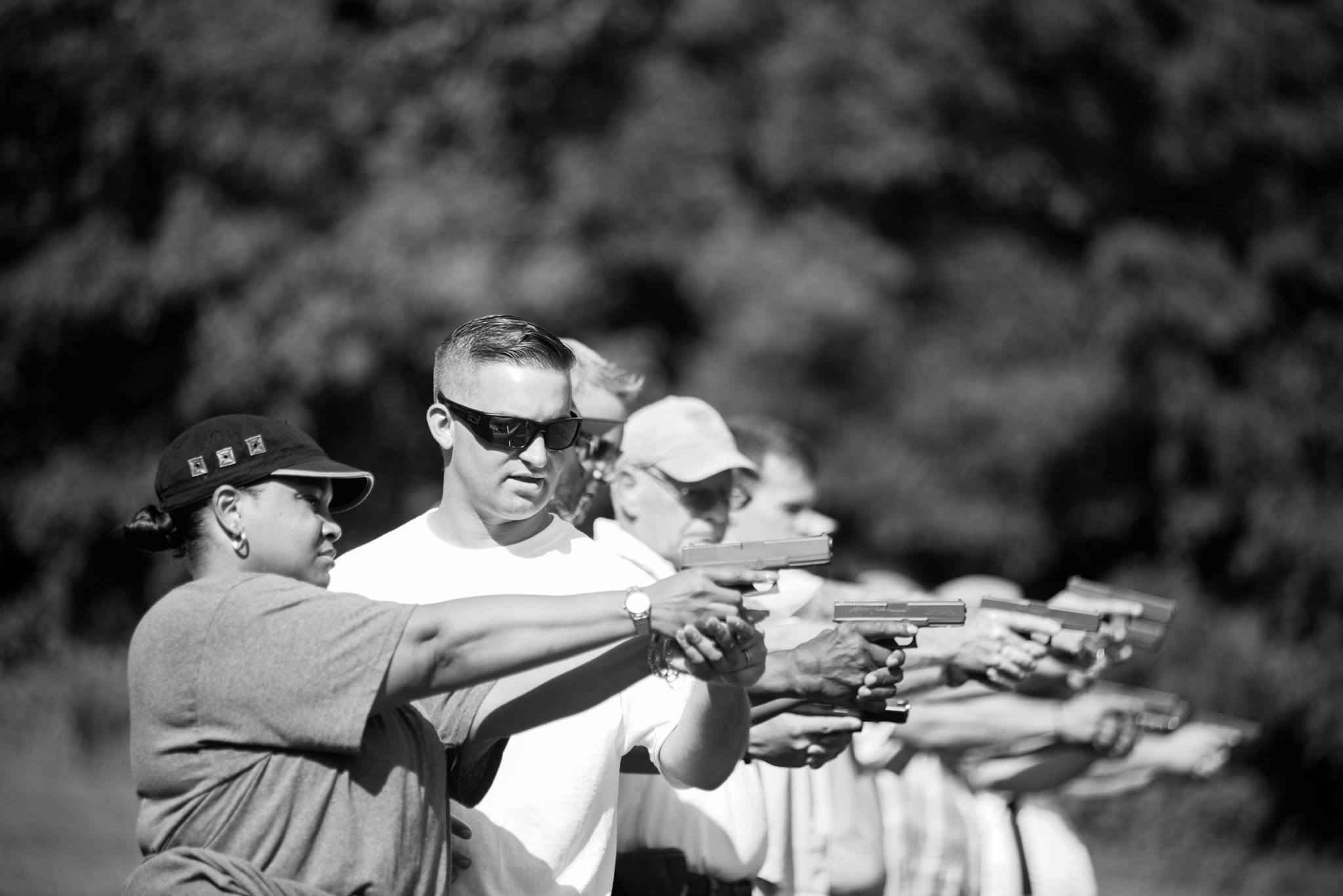
Instructors emphasized muzzle discipline, finger placement, and the importance of treating every firearm as if it’s loaded. As a beginner, that kind of repetition was essential for building confidence.
This portion also gave me valuable insights into how stress and adrenaline affect judgment—and why situational awareness and de-escalation techniques matter even more than knowing how to shoot.
Home Firearm Safety
Another vital component of beginner firearms training in Maryland is home safety. The training stressed the importance of responsible storage, especially in homes with children or vulnerable individuals.
We discussed:
- Gun safes and lock boxes
- Trigger locks
- Ammunition storage
- Legal consequences of negligent storage
Knowing how to store a firearm safely gave me peace of mind. It’s not just about protecting yourself from intruders—it’s about ensuring your firearm doesn’t become a danger to you or others.
Firearm Mechanisms & Functions
This module helped me understand how different firearms operate. We explored:
- Revolvers vs. semi-automatics
- Basic mechanical operation
- Malfunction drills
- Ammunition types and calibers
Handling a gun becomes significantly less intimidating when you understand how it works. The instructors had us practice with replica guns before we ever touched a real one. It helped build muscle memory in a safe and stress-free environment.
Live-Fire Training
This was the most exciting part of the training. After passing the classroom portion, we headed to the range. The MSP Firearms Training guidelines require live-fire experience as part of the certification process.
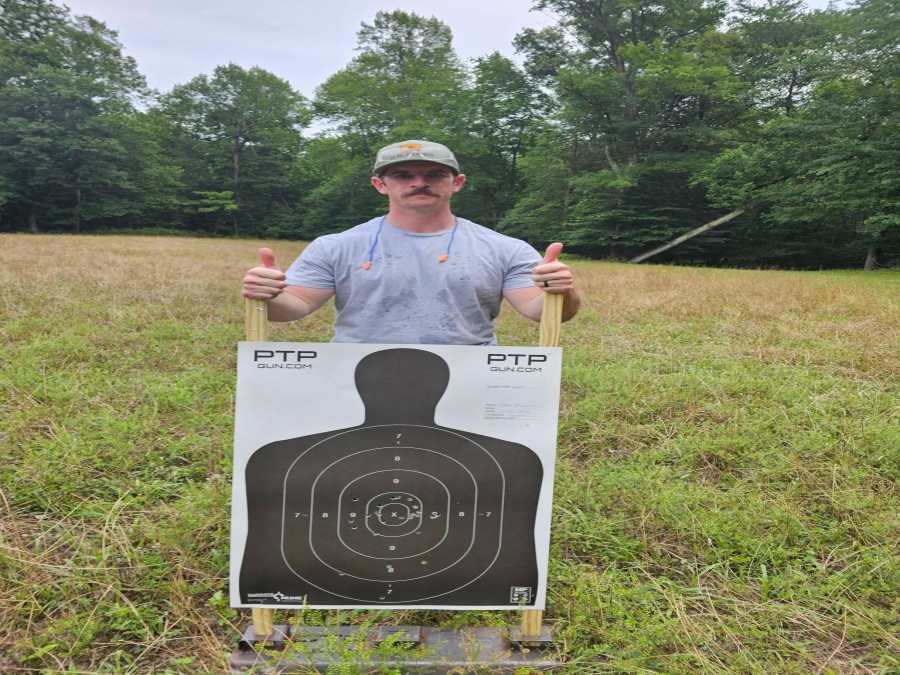
Under close supervision, we were each given the opportunity to fire a minimum of one round with a real handgun. Although it may not sound like much, for a beginner, that single round taught me a lot—how to breathe, aim, manage recoil, and focus.
Some training providers go above and beyond by offering extra range time and more rounds to build your skills. I took full advantage of this, and by the end of the day, I had a clearer sense of confidence and control.
Situational Awareness and Mental Readiness
What sets firearms training in Maryland apart is its focus on mental readiness. Instructors emphasized that carrying a firearm isn’t about having power—it’s about having restraint and preparation.
We were encouraged to think through real-world scenarios and assess whether drawing a firearm was justified or not. That mental exercise helped me appreciate the gravity of concealed carry and self-defense.
Optional Follow-Up Courses
Once I completed my initial HQL training, I wasn’t done. Maryland offers several follow-up courses designed to help beginners become responsible, skilled firearm owners:
- Wear and Carry Permit Training (16-hour initial course + 8-hour renewal)
- Defensive Shooting Courses
- Women-Only Firearm Training
- Firearm Safety Instructor Certification
I chose to take a concealed carry course, and it built nicely on the foundation laid by my HQL training. I also met other beginners, which helped me learn from different perspectives.
Final Thoughts
If you’re considering firearms training in Maryland, don’t let fear or uncertainty hold you back. I came into it with minimal experience, but through hands-on learning, legal education, and practical exercises, I walked away empowered—not just with a certificate, but with a deeper respect for firearms and their safe use.
The process is designed to turn cautious beginners into confident, law-abiding firearm owners. And it’s not a one-time event; it’s the beginning of a lifelong commitment to responsible firearm use.
Whether you’re pursuing your first handgun or eventually aiming for a concealed carry permit, starting with certified MSP Firearms Training ensures you’re trained the right way from day one.
If you’re ready to start your journey, I highly recommend reaching out to a certified training provider in your area. Contact us today to get started with beginner firearms training in Maryland that meets MSP requirements, builds real skills, and prioritizes safety above all else.