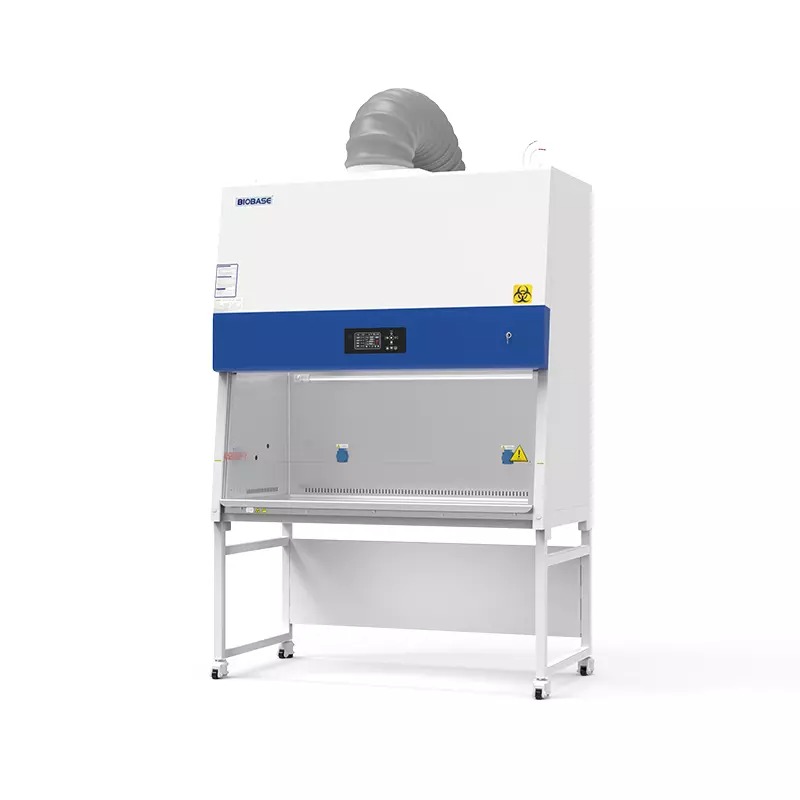
When you work with biological samples, microorganisms, cell cultures, or potentially infectious materials, you need more than a clean laboratory bench. You need a controlled workspace that helps protect you, your samples, and the surrounding environment. A Biological Safety Cabinet (BSC) is designed for this purpose.
Choosing the right cabinet requires you to look beyond size and appearance. You should consider the type of biological work you perform, the level of protection required, airflow design, filtration, available laboratory space, certification requirements, and long-term maintenance.
This guide explains what a Biological Safety Cabinet does, its important features, common applications, and the factors you should consider before selecting one for your laboratory.
What Is a Biological Safety Cabinet?
A Biological Safety Cabinet is an enclosed laboratory workstation that uses controlled airflow and high-efficiency filtration to provide a safer environment for handling biological materials.
Depending on its design and classification, a BSC can provide protection for laboratory personnel, the work material, and the surrounding environment. This makes it useful for procedures where airborne biological contaminants or aerosols may be generated.
You should remember that a BSC is an engineering control. It works alongside other safety measures, including proper laboratory procedures, personal protective equipment, disinfection, waste management, and appropriate training.
A BSC is also different from a chemical fume hood. A chemical fume hood primarily controls chemical vapors, gases, and fumes, while a biological safety cabinet is designed around biological containment and particulate control.
How Does a Biological Safety Cabinet Work?
A Biological Safety Cabinet manages airflow through the work area to reduce the movement of potentially hazardous airborne particles.
Air is drawn through controlled pathways and passes through high-efficiency filters. Depending on the cabinet class, filtered air may be supplied into the work zone, recirculated, or exhausted from the cabinet.
This controlled airflow helps reduce contamination risks and provides a more controlled environment for biological procedures.
However, you should not assume that every BSC provides the same level of protection. Cabinet class, installation, certification, maintenance, and correct operating practices all influence performance.
Important Features of a Biological Safety Cabinet
1. High-Efficiency Filtration
High-efficiency filtration is a central feature of many biological safety cabinets. The filters help remove airborne particulate contaminants from the airflow.
When comparing cabinets, review the filtration arrangement and determine what type of protection the cabinet is designed to provide. You should also understand the manufacturer’s recommendations for filter inspection, replacement, and maintenance.
2. Controlled Airflow
A properly designed airflow system helps maintain the intended containment and work-zone conditions.
You should avoid placing equipment, containers, or other objects where they block airflow openings. Overloading the work area can interfere with airflow and make your procedures less efficient.
Before purchasing a cabinet, consider how your normal workflow will fit within the available workspace.
3. Durable Interior
Many BSCs feature stainless steel or other durable interior surfaces. A smooth work surface makes routine cleaning easier and can withstand frequent laboratory use.
You should choose interior materials that are compatible with your cleaning and disinfection procedures.
4. Ergonomic Work Area
Laboratory personnel may spend extended periods working inside a safety cabinet. For that reason, ergonomics should be part of your selection process.
Look at the working height, viewing area, lighting, access opening, control placement, and available legroom. A practical design can help you work comfortably and reduce unnecessary reaching or awkward movements.
5. Safety Monitoring
Modern biological safety cabinets may include airflow indicators, alarms, digital displays, lighting controls, and other monitoring features.
These features can help you recognize changes in operating conditions. You should understand what each alarm means and what action your laboratory procedures require if an alarm activates.
6. Easy Cleaning and Maintenance
A BSC should support your cleaning and maintenance routine. Accessible surfaces, smooth construction, rounded corners, and limited areas where materials can accumulate can make routine cleaning more practical.
You should establish cleaning procedures based on your laboratory’s work, materials, and biosafety requirements.
Common Classes of Biological Safety Cabinets
Biological safety cabinets are commonly divided into different classes according to their airflow and protection characteristics.
Class I
Class I cabinets are designed primarily to provide personnel and environmental protection. Air is drawn inward through the front opening, helping prevent contaminated air from escaping into the laboratory.
They may be suitable for applications where protection of the product or sample from environmental contamination is not the primary objective.
Class II
Class II cabinets are widely used in laboratories because they can provide personnel, product, and environmental protection when properly installed and operated.
They use controlled airflow and high-efficiency filtration to create a more controlled working environment. Different Class II configurations are available, so you should select the specific type according to your application.
Class III
Class III cabinets provide a higher level of containment and are designed for work requiring stringent isolation. They are fully enclosed systems, with materials typically introduced through specialized access arrangements.
You should select a cabinet class based on your laboratory risk assessment and containment requirements rather than choosing solely according to cost or cabinet size.
Applications of Biological Safety Cabinets
Microbiology
You can use a BSC for selected microbiological procedures involving biological samples and microorganisms. Controlled airflow helps reduce the risk associated with airborne biological particles and aerosols.
Your laboratory should still follow appropriate microbiological techniques and established biosafety procedures.
Cell Culture
Cell culture work requires careful contamination control. A suitable biological safety cabinet provides a controlled work environment for handling cultures, media, containers, and related materials.
You should organize materials carefully and avoid unnecessary movement inside the cabinet to support proper airflow.
Clinical and Diagnostic Laboratories
Clinical and diagnostic laboratories may use BSCs when handling specimens that could contain infectious agents.
The cabinet can serve as an important engineering control, but it should be selected according to the laboratory’s risk assessment and the types of specimens being processed.
Pharmaceutical and Biotechnology Research
Biotechnology and pharmaceutical research facilities may use BSCs for selected procedures involving biological materials.
Before installation, you should assess the materials and processes involved. If your work also involves hazardous chemicals or volatile substances, verify whether additional engineering controls are required.
Academic Laboratories
Universities, colleges, and research institutions can use biological safety cabinets for microbiology, biotechnology, molecular biology, immunology, and other biological research activities.
When planning a new laboratory, consider how the cabinet will fit into your existing benches, equipment, storage areas, electrical systems, and workflow.
Biological Safety Cabinet vs. Chemical Fume Hood
One of the most important purchasing considerations is understanding the difference between a BSC and a chemical fume hood.
A Biological Safety Cabinet is primarily designed to control biological hazards and airborne particulates. A chemical fume hood is designed to capture and exhaust hazardous chemical vapors, gases, and fumes.
You should never assume that a BSC can replace a chemical fume hood simply because both systems have airflow and filtration. If your procedures involve hazardous or volatile chemicals, review the specific equipment requirements before beginning work.
For additional laboratory equipment information and product options, explore Global Lab Supply using the descriptive internal-link anchor text provided for your website.
How to Choose the Right Biological Safety Cabinet
Selecting the correct BSC becomes easier when you evaluate your actual laboratory requirements first.
Assess Your Biological Work
Begin by identifying the organisms, samples, cultures, and procedures you will handle. Determine whether your work can generate biological aerosols and what level of containment is appropriate.
Determine Required Protection
Decide whether you need personnel protection, product protection, environmental protection, or a combination of these.
This step will help you identify suitable cabinet classes and configurations.
Measure Your Laboratory Space
Before ordering, measure the intended installation area. Consider doorways, corridors, ceiling height, electrical connections, service access, and clearance around the equipment.
A cabinet that fits inside the room may still be unsuitable if technicians cannot access it for maintenance or certification.
Consider Your Workflow
Think about the equipment and materials you regularly use. Make sure the cabinet provides sufficient working space without encouraging you to overcrowd the interior.
Good organization can help you work efficiently while maintaining appropriate airflow.
Review Certification Requirements
Proper certification is essential for verifying that a BSC is operating according to applicable performance requirements.
You should plan for certification after installation and at the intervals required by your facility’s biosafety program, applicable standards, and manufacturer recommendations.
Evaluate Maintenance and Support
A BSC is a long-term laboratory investment. Before purchasing, consider filter servicing, replacement components, certification support, preventive maintenance, and technical assistance.
Reliable after-sales support can help you maintain equipment performance throughout its operating life.
For questions about suitable laboratory equipment, use Contact Us for laboratory equipment assistance as your descriptive internal-link anchor text.
Best Practices for Using a Biological Safety Cabinet
Correct operation is just as important as choosing the right cabinet.
Before starting work, check the cabinet according to your laboratory’s operating procedure. Keep the work area organized and avoid unnecessary movement that could disrupt airflow.
Do not block front or rear airflow grilles with equipment or supplies. Keep frequently used materials organized so you can complete procedures without repeatedly reaching across the workspace.
Clean and disinfect appropriate surfaces before and after use. Follow your facility’s approved procedures for handling biological materials, spills, and waste.
You should also pay attention to alarms and airflow indicators. If the cabinet indicates an abnormal operating condition, follow your laboratory’s safety procedure rather than continuing work as normal.
Regular professional certification and preventive maintenance are also essential. A cabinet that appears clean and functional may still require technical testing to verify its performance.
Common Mistakes to Avoid
When selecting or using a Biological Safety Cabinet, avoid several common mistakes.
Choosing based only on price: A lower purchase price does not necessarily mean better long-term value.
Ignoring the application: Different biological procedures may require different levels of containment and protection.
Overloading the work area: Excessive equipment can interfere with airflow and make cleaning more difficult.
Skipping certification: Proper certification helps verify that the cabinet is operating as expected.
Using the BSC for unsuitable chemicals: Not every biological safety cabinet is designed to control chemical vapors.
Neglecting maintenance: Filters, airflow systems, alarms, and other components require appropriate inspection and servicing.
Why the Right BSC Matters
Your Biological Safety Cabinet should support both laboratory safety and efficient workflow. The right equipment helps create a controlled environment for biological procedures while reducing avoidable exposure and contamination risks.
Instead of selecting a cabinet based only on dimensions or price, evaluate your application, containment requirements, airflow, filtration, ergonomics, installation conditions, certification, maintenance, and service support.
When you combine appropriate equipment with correct operating procedures and regular maintenance, you can build a more dependable laboratory environment for research, diagnostics, education, and biotechnology applications.
Frequently Asked Questions
1. What is a Biological Safety Cabinet used for?
A Biological Safety Cabinet is used to provide a controlled workspace for handling biological materials. Depending on its class and configuration, it can provide personnel, product, and environmental protection during procedures that may generate biological aerosols.
2. Is a Biological Safety Cabinet the same as a fume hood?
No. A BSC is primarily designed for biological containment and particulate control, while a chemical fume hood is designed to capture hazardous chemical vapors, gases, and fumes. You should select equipment according to the hazards involved.
3. Which Biological Safety Cabinet class should you choose?
You should choose the class based on your biological materials, procedures, containment requirements, and risk assessment. Class II cabinets are commonly used for applications requiring personnel, product, and environmental protection, but your specific requirements should determine the selection.
4. How do you maintain a Biological Safety Cabinet?
Follow the manufacturer’s maintenance instructions and your laboratory’s biosafety procedures. Clean and disinfect appropriate surfaces regularly, keep airflow paths clear, monitor alarms, and arrange professional certification and servicing at required intervals.
5. Can you use chemicals inside a Biological Safety Cabinet?
You should not assume that a BSC is suitable for hazardous or volatile chemicals. Many BSCs are designed primarily for biological hazards. Check the manufacturer’s specifications and your facility’s risk assessment before using chemicals inside the cabinet.
Final Takeaway
A Biological Safety Cabinet is an important engineering control for laboratories that handle biological materials. By providing controlled airflow and high-efficiency filtration, the appropriate cabinet can support personnel safety, product protection, and environmental containment.
Before you purchase one, assess your biological procedures, containment needs, available space, workflow, certification requirements, and maintenance expectations. Choose a cabinet that fits your actual laboratory requirements rather than simply selecting the largest or least expensive option.
With proper selection, installation, certification, cleaning, maintenance, and operation, you can make your laboratory workspace safer, more controlled, and better suited to consistent biological work.