


Urban cleanliness depends on routines that rarely get attention. Crews work early, traffic shifts fast, and small delays can affect entire neighborhoods. A stable plan helps people focus on safety and coverage, not on constant improvisation. When teams start with a clear sequence and clear responsibilities, they move with less stress and make fewer risky choices on the road.
In many operations, waste management routing software can support reliable rounds by keeping routes and site notes in one place. The value is practical oversight, not promotion. When crews can record access issues, hazards, and completion status, managers can respond with facts. This reduces blame and helps refine rounds based on real conditions.
Planning deliveries around time windows
Delivery work often fails when time windows are treated like suggestions. A client may only be available for a short period, or a building may allow access only at certain hours. Planning must respect those limits without pushing drivers into impossible schedules. When the route accounts for realistic stop time, teams can keep promises more often and reduce last minute rescheduling.
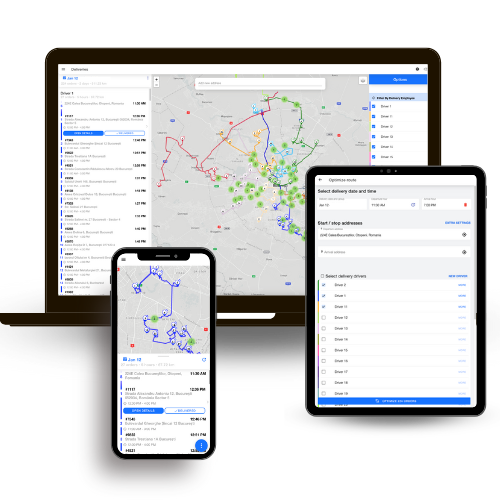
For teams handling mixed deliveries, delivery route planning software can be relevant as a way to align time windows, stop order, and short instructions. It helps keep updates visible and consistent across staff. The aim is steady execution, not speed claims. When everyone shares the same view, the day becomes easier to manage. A good plan also protects the driver from constant interruptions. If every small change triggers a call, attention shifts away from the road. The goal is a route that can absorb minor delays.
A simple approach can reduce scheduling friction:
- Group stops by time window first, not by distance.
- Add buffer time near known slow buildings.
- Write one clear rule for missed contact attempts.
Laundry runs with service sensitivity
Laundry delivery software can support consistent service by keeping stop specific instructions and status updates together. The benefit is fewer mix ups and fewer awkward re visits. This is not about big promises. It is about making the service feel dependable, especially when volume increases and staff rotates.
Laundry delivery has a different tone than most logistics. Customers often expect discretion, careful handling, and predictable timing. Bags must be labeled correctly, items must not be mixed, and drop offs may require special instructions. Small mistakes create outsized frustration because the service touches personal routines. Planning should therefore support accuracy and calm interactions. The route also involves handling steps that take time. Pick up is not the same as drop off, and both can be slower than expected if access is tricky.
Before leaving each pickup or drop off, quick checks prevent later disputes:
- Confirm the label matches the address and contact.
- Note special handling requests in plain language.
- Record the handoff method used at the door.
- Flag repeated access problems for follow up.
Preventing mistakes through route design
Many errors are created by the route itself. When stops are packed too tightly, drivers rush. When a route crosses the city back and forth, fatigue rises. Preventing mistakes starts with designing a route that matches human limits. That includes travel time, loading time, and a realistic pace that does not punish careful work.
It also helps to reduce cognitive load. A driver should not need to remember ten exceptions. If each stop shows the key instruction, the work becomes safer. Over time, recurring issues should be converted into simple rules. For example, buildings that require a call should always be scheduled with extra minutes, not treated as normal stops.
A weekly review can keep the system honest. Choose a small sample of routes and look for repeated failure points. Was it access, timing, missing notes, or unrealistic sequencing. Then adjust one template or one rule. This keeps improvements specific and avoids grand changes that nobody follows. Small corrections often deliver the biggest stability.
Strong workflows during peak season
Peak season exposes every weak process. More volume arrives, weather gets worse, and small delays ripple faster. A strong workflow is one that stays calm under pressure. It should show clear priorities and allow teams to adapt without breaking basic rules. When people know what to do after a disruption, they avoid risky shortcuts that create safety issues.
Peak periods also test communication. Customers are more anxious and crews are more tired. Short, honest updates work better than vague reassurance. A realistic estimate, shared early, often prevents complaints. Internally, it helps to define when to escalate. Not every problem needs a manager, but some issues do need quick decisions to protect the schedule.
Resilience grows from small habits. Keep notes consistent, protect buffer time, and review one pain point each week. Over time, the team learns where the system bends and where it breaks. That learning should feed back into planning.

