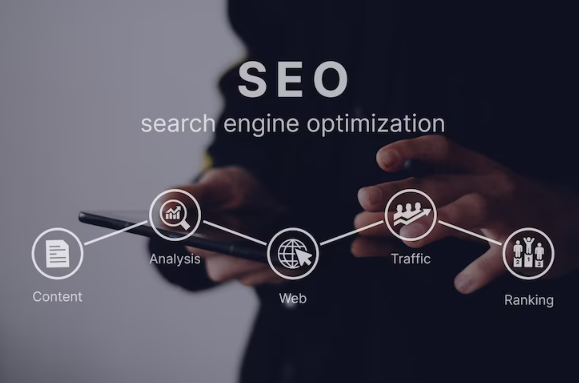
Long-term business growth rarely comes from short-term marketing tactics alone. Businesses need a strong digital presence that continues attracting relevant audiences, building credibility, and generating opportunities over time. Search engine optimization plays an important role in creating this foundation because it helps a website become more visible when potential customers are actively searching for products, services, or solutions.
A successful SEO strategy is not simply about achieving a high position on search engines. It involves understanding customer intent, creating useful content, strengthening website performance, and building authority within a specific industry or local market. For growing businesses, Heritage SEO Services can provide a structured approach to these areas while supporting sustainable online visibility.
Building a Strong SEO Foundation
Long-term SEO success starts with a technically sound and user-friendly website. Search engines need to crawl, understand, and index website pages efficiently. At the same time, visitors should be able to navigate the site easily and find the information they need without unnecessary obstacles.
An effective foundation includes clear website architecture, relevant page titles, optimized headings, descriptive URLs, mobile-friendly design, fast loading times, secure browsing, and properly organized content. Technical issues such as broken links, duplicate pages, missing metadata, and poor internal linking can weaken a website’s performance.
Businesses that address these fundamentals early are better positioned to build additional SEO strategies on top of them. Heritage SEO Services can support this foundation by combining technical considerations with content and search visibility goals rather than treating each SEO activity as an isolated task.
Creating Content That Continues to Deliver Value
Content is one of the most important assets for long-term organic growth. Instead of producing articles solely to target keywords, businesses should create resources that answer genuine customer questions and address different stages of the buying journey.
Helpful blog posts, service pages, guides, FAQs, case studies, comparison content, and educational resources can attract visitors from a variety of searches. Strong content should demonstrate expertise, provide clear information, and naturally guide readers toward relevant products or services.
Content should also be reviewed periodically. Search trends change, customer expectations evolve, and competitors may publish stronger resources. Updating statistics, improving outdated sections, adding new questions, and strengthening internal links can help valuable pages remain useful.
This approach makes Heritage SEO Services more than a traffic-focused activity. When SEO is connected with a well-planned content strategy, every quality page can become a long-term business asset capable of attracting relevant visitors well after publication.
Strengthening Local Search Visibility
For businesses serving specific cities, regions, or communities, local search visibility can have a direct influence on customer acquisition. People frequently use search engines to find nearby services, compare businesses, read reviews, check business information, and make purchasing decisions.
A strong local SEO strategy should include accurate business information, optimized location pages, relevant local content, consistent online listings, and a well-maintained business profile. Customer reviews can also contribute to trust by showing potential customers that others have had positive experiences with the company.
Businesses should avoid creating generic location pages with little useful information. Instead, local content should provide genuine value by addressing regional customer needs, answering common questions, and explaining how the business serves its target area.
Earning Authority Through Quality Links
Search engines use many signals to evaluate the credibility and relevance of websites. Quality backlinks can contribute to this authority when they come from reputable and contextually relevant sources.
Effective link building should focus on relationships and useful resources rather than acquiring large numbers of low-quality links. Businesses can earn links through original research, expert contributions, useful guides, digital PR, industry resources, partnerships, and valuable informational content.
A sustainable approach to link building takes time, but it can produce stronger results than aggressive tactics designed for quick gains. Heritage SEO Services can help businesses develop an authority-building strategy that aligns link acquisition with their industry, audience, and broader content goals.
Using Data to Guide SEO Decisions
One of the advantages of SEO is the ability to measure performance and make decisions based on data. Businesses can monitor organic traffic, keyword visibility, engagement, conversions, landing-page performance, and other meaningful indicators.
However, rankings should not be the only measurement of success. A keyword may generate thousands of impressions without producing qualified leads, while a lower-volume search term could bring highly interested customers.
Long-term SEO reporting should therefore connect search performance with business objectives. If the primary goal is lead generation, businesses should examine form submissions, calls, inquiries, and other conversion actions. If the goal is ecommerce growth, revenue and transaction-related metrics should receive greater attention.
Adapting to Changes in Search
Search engines continue to evolve, and user behavior is changing alongside them. People increasingly expect direct answers, conversational information, local recommendations, and trustworthy sources. Businesses should therefore build websites that provide clear, well-structured, genuinely useful information.
Rather than relying on one optimization technique, companies should maintain a flexible SEO strategy. Monitoring search trends, reviewing competitors, analyzing customer questions, and updating content can help businesses remain relevant as search behavior changes.
The long-term value of Heritage SEO Services comes from this ongoing approach. SEO should be treated as a continuous business investment rather than a campaign that ends after a few months.
Making SEO Part of a Broader Growth Strategy
SEO works most effectively when it supports other marketing activities. Insights from search data can help businesses understand what customers care about, which questions they ask, and which products or services attract the most interest.
These insights can influence content marketing, social media campaigns, website development, paid advertising, email marketing, and overall brand messaging. Similarly, improvements made to a website for SEO can also create a better experience for visitors arriving through other channels.
Businesses looking for a long-term, structured approach can explore Heritage SEO Services and consider how SEO can fit into their wider digital marketing plans.
Why Consistency Matters
SEO results typically develop through consistent effort. Publishing useful content once and then abandoning the website is unlikely to create lasting momentum. Businesses should regularly monitor technical health, evaluate content performance, identify new opportunities, improve important pages, and track conversions.
Consistency also helps companies build a stronger brand presence. As more useful pages appear in search results and customers repeatedly encounter the business across relevant searches, familiarity and credibility can increase.
For businesses focused on sustainable growth, Heritage SEO Services can provide an organized framework for maintaining this consistency while adapting strategies to changing market conditions.
FAQs
How long does SEO take to produce results?
SEO timelines vary depending on website authority, competition, industry, technical condition, content quality, and the competitiveness of targeted searches. Some improvements may appear relatively quickly, while meaningful organic growth often requires several months of consistent work.
Is SEO useful for small businesses?
Yes. Small businesses can use SEO to target specific customer needs, local searches, niche topics, and less competitive search terms. A focused strategy can help smaller companies compete for relevant visibility without relying entirely on large advertising budgets.
Should businesses continue SEO after reaching strong rankings?
Yes. Search results are competitive and constantly changing. Competitors can publish new content, search algorithms can evolve, and customer behavior can shift. Ongoing monitoring and maintenance help protect existing visibility and identify new opportunities.
What makes a long-term SEO strategy successful?
A sustainable strategy combines technical website health, useful content, relevant keyword targeting, quality backlinks, local visibility where appropriate, user experience, conversion tracking, and continuous performance analysis.
How can I get started with an SEO strategy?
Start by reviewing your website, identifying your most valuable customer searches, assessing competitors, and establishing measurable business goals. A professional SEO team can then help prioritize opportunities and develop a practical roadmap. Businesses interested in discussing their requirements can contact us for further guidance.
Conclusion
Long-term business growth requires more than temporary visibility. It requires a digital presence that earns trust, attracts relevant audiences, and continues creating opportunities over time. SEO provides a powerful foundation for achieving these goals when it is approached strategically and consistently.
By focusing on technical quality, valuable content, local visibility, authoritative links, meaningful analytics, and adaptation to changing search behavior, businesses can build organic growth that supports their broader objectives. With a carefully managed strategy, Heritage SEO Services can become an important part of a sustainable digital marketing plan and help businesses establish stronger visibility for the long term.