Digital advertising has become one of the most effective methods for reaching modern audiences. Businesses of every size are investing in online campaigns to increase visibility, generate leads, and improve sales performance. However, many decision-makers often find themselves comparing search-based advertising with social media campaigns to determine which option delivers stronger results. Both approaches can create meaningful opportunities, but they work differently and support different marketing goals.
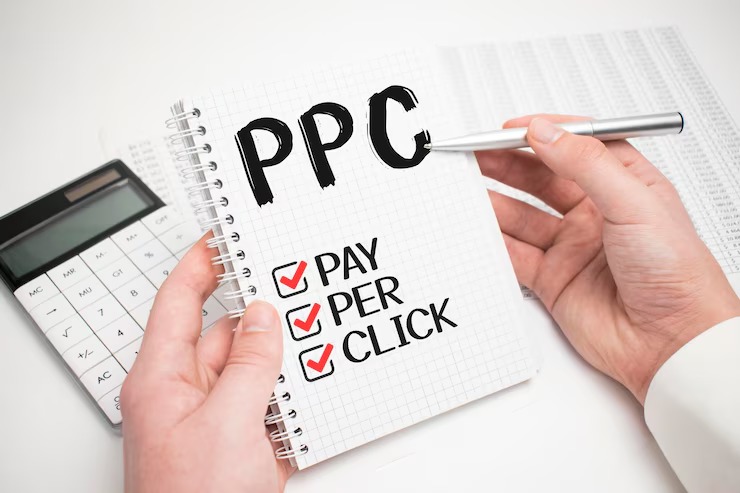
Many businesses evaluating digital growth strategies frequently compare PPC services and social media advertising because each channel offers distinct advantages. Search advertising usually focuses on reaching users who are actively looking for products or solutions, while social media campaigns often introduce brands to audiences who may not yet realize they need a particular product or service.
Understanding these differences helps organizations select the right strategy based on goals, budget, audience behavior, and expected outcomes.
Understanding Search-Based Advertising
Search advertising focuses on displaying promotional content to users who are entering specific keywords into search engines. These users often have clear intent because they are actively seeking information, products, or services.
When marketers use PPC services, they can target users based on search terms, geographic locations, demographics, devices, and other measurable factors. Because these audiences already demonstrate intent, campaigns can produce faster conversion opportunities.
One major advantage of search advertising is its ability to connect with consumers at critical decision-making moments. A user searching for a solution usually has a stronger likelihood of taking action compared to someone casually scrolling through online content.
Another benefit is measurable performance. Marketers can analyze impressions, clicks, conversions, cost per click, and return on investment with high accuracy.
Understanding Social Media Advertising
Social media advertising operates differently because it places promotional content directly within users’ feeds, stories, videos, and interactive spaces.
Rather than waiting for users to search for something specific, social platforms introduce products and services based on interests, behaviors, demographics, and engagement patterns.
This approach creates strong opportunities for:
- Building brand awareness
- Increasing audience engagement
- Creating visual storytelling experiences
- Developing customer relationships
- Encouraging repeat interactions
Social media campaigns can also support businesses that want to reach users earlier in the buying journey.
For example, someone scrolling through a social platform may discover a product unexpectedly and become interested without initially searching for it.
User Intent Creates the Biggest Difference
The largest distinction between search advertising and social media campaigns often comes down to intent.
Search users generally display active intent. They are looking for answers, services, products, or solutions immediately.
Social media users typically show passive intent. They may not be searching for a specific solution but can become interested after seeing compelling content.
This difference can influence conversion rates significantly.
Search campaigns frequently generate stronger lead quality because users have already expressed interest through their actions. Social campaigns often require more nurturing before conversions happen.
Businesses that want to explore detailed campaign approaches can review Businesses that want to explore detailed PPC services for lead generation and campaign optimization strategies before choosing an advertising direction.
Budget Considerations
Budget planning is another important factor when comparing advertising methods.
Search campaigns may have higher costs for highly competitive keywords because industries with strong demand often create bidding competition.
Social advertising can sometimes provide lower initial costs for impressions and engagement. However, lower costs do not automatically guarantee better outcomes.
Effective budgeting should consider:
- Customer acquisition cost
- Conversion quality
- Lifetime customer value
- Campaign objectives
- Industry competition
Organizations that invest in PPC services often focus heavily on measurable returns because every click carries a direct cost.
Meanwhile, social campaigns frequently prioritize engagement metrics such as shares, comments, views, and audience growth.
PPC Packages
Advertising success often depends on selecting campaign structures that align with business goals and spending capabilities. Budget flexibility, campaign scope, and targeting requirements can vary considerably across industries. Businesses researching scalable solutions can evaluate custom campaign budget planning options and performance-focused package structures for different business needs to understand how different campaign arrangements support growth objectives.
Which Option Produces Better Results?
There is no universal answer because outcomes depend heavily on objectives.
Search advertising often performs better when businesses want:
- Immediate leads
- Direct conversions
- Purchase-ready audiences
- Measurable return on investment
Social advertising often performs better when businesses want:
- Brand awareness
- Community growth
- Visual engagement
- Audience education
Many successful organizations eventually combine both methods.
Search campaigns can capture users with strong buying intent, while social media campaigns can build awareness and nurture relationships. Together, they create a more complete customer journey.
Final Thoughts
Digital advertising works most effectively when strategies align with business goals rather than trends. Search-based campaigns and social media advertising both offer unique strengths, and understanding their differences allows companies to make informed decisions.
In the end, PPC services can deliver strong value for businesses seeking targeted traffic and measurable outcomes, while social media campaigns often excel at building visibility and long-term audience engagement. The strongest approach is frequently not choosing one over the other but understanding where each method fits within a broader marketing strategy.