


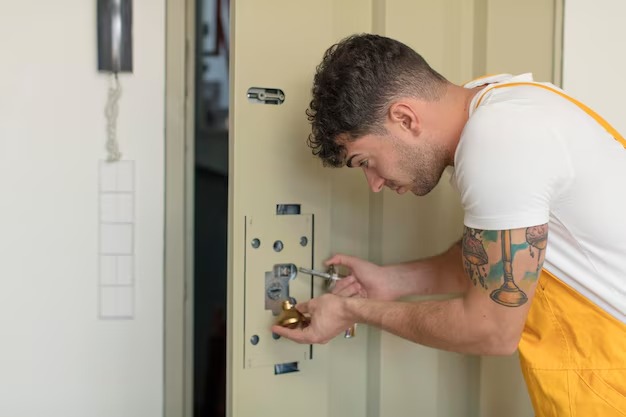
Buying a home in Denver is exciting, but changing your address should also mean changing your approach to home security. One of the first questions you should ask after receiving the keys is: Who else might still have a working key?
The previous homeowner may have given copies to relatives, neighbors, contractors, housekeepers, pet sitters, or friends. You may never know how many keys exist. That is why rekeying the existing locks is often one of the simplest and most cost-effective security steps you can take after moving into a Denver home.
Why Rekeying Makes Sense After Buying a Home
Rekeying changes the internal configuration of your existing lock cylinder so previous keys no longer work. You keep the existing lock hardware while receiving new keys that operate the rekeyed locks.
Unlike replacing an entire lock, rekeying does not necessarily require new knobs, deadbolts, or lock bodies. This makes it an attractive option when your existing hardware is in good working condition but you want control over who can access your home.
A professional Denver residential locksmith service for lock rekeying and installation can inspect your doors, determine whether the locks can be rekeyed, and help you decide whether rekeying or replacement makes more sense.
You Cannot Know Who Has the Old Keys
When you purchase a home, you inherit more than the property itself. You may also inherit years of access history.
Previous occupants could have made duplicate keys without documenting them. A contractor might have received a key during a renovation. A neighbor may have kept one for emergencies. Even a misplaced key could potentially remain somewhere outside the home.
You do not need to assume that anyone has bad intentions. Rekeying simply gives you a clean starting point.
Once the existing locks are professionally rekeyed, old keys should no longer operate those cylinders. You can then distribute new keys only to people you trust.
Rekeying vs. Replacing Your Locks
Rekeying is not always the right solution. Your decision should depend on the condition, age, design, and security features of your current hardware.
Choose rekeying when:
- Your locks are functioning properly.
- You like the existing hardware.
- You want old keys to stop working.
- You want several locks to work with a compatible key.
- You want a cost-effective security upgrade after moving.
Consider replacing the locks when:
- The hardware is damaged, worn, or unreliable.
- You want stronger or higher-security locks.
- You want smart locks or keypad access.
- Your existing locks are outdated.
- You want a different style or upgraded functionality.
APEX Locksmith Denver explains that replacing locks can be preferable when hardware is old or when you want upgraded security and easier access options.
Check Every Exterior Entry Point
Do not focus only on your front door. Walk around your property and identify every door that could provide access.
Check the front and back doors, side entrances, garage-to-house door, basement entrances, and other exterior access points. If a detached garage, workshop, or other secured structure uses keyed locks, include those in your security review.
You should also check whether all exterior doors have functioning deadbolts and whether the strike plates and door frames appear secure.
A locksmith can inspect the complete setup and identify problems you might overlook during a quick move-in inspection.
What About Locks That Are Different?
Your new home may have several lock brands or different key systems. That does not automatically mean you need to replace everything.
A professional locksmith can determine which cylinders are compatible with rekeying and whether multiple locks can be configured to work with one key. This can simplify your daily routine while maintaining control over access.
If some locks are incompatible, you can decide whether to leave them separate, replace selected hardware, or upgrade several locks together.
Rekeying Can Be Especially Useful After Renovations
If your Denver home has recently undergone remodeling, think beyond the previous homeowner.
Contractors, subcontractors, electricians, plumbers, cleaners, and other workers may have needed temporary access. Even if everyone involved was trustworthy, you may prefer to eliminate old access once the project is complete.
Rekeying after major work gives you a fresh access baseline without requiring you to replace every functioning lock.
Do Not Forget Garage and Interior Access
Your garage deserves special attention. If your garage has an exterior keypad, keyed entry, or a door leading directly into the home, verify how access is controlled.
You should also identify interior doors that provide meaningful security or privacy. While not every interior lock needs to be rekeyed, areas such as home offices, storage rooms, or private spaces may justify additional security depending on how you use your home.
When Should You Call a Locksmith?
Ideally, schedule your lock inspection shortly after closing and before you distribute new keys widely. That lets you address access concerns before they become a problem.
If you are unsure whether to rekey or replace your locks, a qualified Locksmith Denver professional can evaluate the hardware and explain your options. APEX Locksmith Denver provides residential rekeying, lock replacement, deadbolt installation, and other home locksmith services throughout Denver and surrounding communities.
For urgent situations, such as a broken lock, lost key, or lockout, professional Denver emergency locksmith assistance can help restore access and address the underlying lock issue.
Make Rekeying Part of Your Move-In Checklist
Your first days in a new Denver home are filled with inspections, utilities, insurance, furniture deliveries, and repairs. Security should be on that list too.
Start by identifying every exterior lock. Determine who may have had access before you. Check the condition of your hardware, then decide whether rekeying or replacement fits your needs.
For many homeowners, rekeying provides a straightforward way to establish control over existing locks without replacing perfectly functional hardware. If you want expert guidance, contact APEX Locksmith Denver for a professional assessment of your home’s locks and access points.
Taking this step early can give you something valuable that every new homeowner deserves: confidence that the keys you distribute are the keys that actually work.
FAQs
1. Should I rekey my locks after buying a Denver home?
Yes, rekeying is a practical security step because you cannot know how many copies of the previous keys exist. It allows you to keep functional lock hardware while making old keys ineffective.
2. Is rekeying better than replacing locks?
It depends on the condition and security features of your locks. Rekeying works well when the hardware is functional. Replacement is better when locks are damaged, outdated, or when you want upgraded security.
3. Can all my home locks use one key?
Often, compatible locks can be rekeyed to operate with the same key. A locksmith can inspect your existing hardware and determine whether your locks can be keyed alike.
4. Does rekeying damage the existing lock?
No. Professional rekeying changes the internal pin configuration of the lock cylinder rather than replacing the complete lock. Properly performed rekeying should leave the hardware functional.
5. When should I rekey my new home’s locks?
Ideally, rekey them soon after closing and before giving new keys to family members, contractors, cleaners, or other people. This gives you a clean starting point for managing home access.
