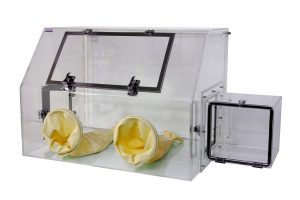
Moisture is one of the biggest threats to sensitive laboratory materials, electronic components, pharmaceuticals, and research samples. Even a small increase in humidity can damage products, reduce shelf life, and compromise testing accuracy. If you work in a controlled environment, you need a reliable way to protect moisture-sensitive materials from contamination and degradation.
A nitrogen desiccator cabinet helps you maintain a stable low-humidity environment by continuously purging moisture with dry nitrogen gas. This controlled atmosphere protects valuable materials and ensures long-term storage safety. Understanding how these cabinets control moisture levels can help you improve product quality, reduce waste, and maintain compliance in your facility.
Why Moisture Control Matters in Laboratories
Humidity affects many materials used in laboratories and manufacturing facilities. Moisture exposure can lead to corrosion, oxidation, mold growth, and chemical instability. Electronic devices may fail due to condensation, while pharmaceutical compounds can lose potency when exposed to excess humidity.
You need effective humidity management when storing:
- Electronic components
- Semiconductor materials
- Optical equipment
- Pharmaceutical products
- Precision instruments
- Hygroscopic chemicals
- Research samples
Without proper protection, even short-term moisture exposure can cause irreversible damage. That is why many facilities use a long-tail moisture-controlled storage solution like a high-performance Nitrogen Desiccator Cabinet for laboratory humidity control to maintain ideal environmental conditions.
What Is a Nitrogen Desiccator Cabinet?
A nitrogen desiccator cabinet is a sealed storage enclosure designed to minimize moisture inside the chamber. Instead of relying only on traditional desiccants, the cabinet uses dry nitrogen gas to displace humid air and maintain low relative humidity levels.
The cabinet creates an oxygen-reduced and moisture-free environment that helps protect sensitive materials from atmospheric contamination. Most cabinets are constructed from durable materials such as acrylic, stainless steel, or static-dissipative components to support cleanroom and laboratory applications.
You can use these cabinets in industries such as:
- Pharmaceutical manufacturing
- Semiconductor production
- Biotechnology
- Aerospace
- Research laboratories
- Medical device manufacturing
How Nitrogen Purging Removes Moisture
The primary moisture-control mechanism in a nitrogen desiccator cabinet is nitrogen purging. Dry nitrogen gas continuously flows into the sealed cabinet while humid air is pushed out through vents or controlled outlets.
This process lowers the relative humidity inside the cabinet because nitrogen contains virtually no moisture. As the dry gas circulates, it replaces moisture-laden air and creates a stable low-humidity environment.
The nitrogen purge process works through several key steps:
Sealed Cabinet Design
The cabinet is tightly sealed to prevent outside air from entering. Airtight doors and gaskets help maintain controlled internal conditions and reduce moisture infiltration.
Continuous Nitrogen Flow
Dry nitrogen enters the cabinet at a controlled flow rate. The constant circulation prevents humidity buildup and stabilizes environmental conditions.
Moisture Displacement
As nitrogen fills the chamber, it forces humid air out of the cabinet. This significantly lowers moisture levels and minimizes condensation risks.
Stable Low-Humidity Environment
Once the desired humidity level is reached, the cabinet maintains consistent conditions for long-term storage protection.
This system allows you to safely store highly sensitive materials without worrying about humidity fluctuations.
Benefits of Using a Nitrogen Desiccator Cabinet
A nitrogen desiccator cabinet offers several advantages over conventional storage systems. If your facility handles moisture-sensitive materials, these benefits can improve operational efficiency and product reliability.
Protects Sensitive Materials
Low humidity prevents corrosion, oxidation, and degradation of sensitive products. This protection helps maintain product quality and performance.
Improves Product Shelf Life
Stable moisture control extends the storage life of pharmaceuticals, chemicals, and electronic components.
Reduces Contamination Risks
The sealed environment minimizes exposure to airborne particles, moisture, and environmental contaminants.
Maintains Laboratory Accuracy
Consistent humidity levels help ensure accurate testing, calibration, and research results.
Supports Cleanroom Applications
Many cabinets are compatible with cleanroom environments and comply with contamination-control requirements.
Minimizes Material Waste
By preventing moisture-related damage, you can reduce costly product losses and replacement expenses.
Features That Improve Moisture Control
When selecting a nitrogen desiccator cabinet, you should focus on features that improve humidity stability and storage efficiency.
Important features include:
- Airtight sealing systems
- Adjustable nitrogen flow control
- Humidity monitoring gauges
- Durable corrosion-resistant construction
- Static-dissipative materials
- Multiple shelving configurations
- Transparent viewing panels
- Cleanroom compatibility
Choosing the right cabinet configuration helps you maintain better environmental control while improving workflow efficiency.
Best Practices for Maintaining Low Humidity
To maximize cabinet performance, you should follow proper operating and maintenance procedures.
Monitor Humidity Regularly
Use built-in hygrometers or digital monitoring systems to track humidity levels consistently.
Inspect Door Seals
Damaged seals can allow moisture infiltration. Regular inspections help maintain airtight conditions.
Use Proper Nitrogen Flow Rates
Excessive or insufficient nitrogen flow can affect performance. Follow manufacturer recommendations for optimal operation.
Avoid Frequent Door Openings
Opening the cabinet repeatedly introduces humid air into the chamber. Minimize unnecessary access to maintain stable conditions.
Schedule Routine Maintenance
Regular cleaning and maintenance help preserve cabinet performance and extend equipment lifespan.
Industries That Depend on Nitrogen Desiccator Cabinets
Many industries rely on nitrogen desiccator cabinets to protect valuable materials and maintain product integrity.
Semiconductor Manufacturing
Microelectronic components are highly sensitive to moisture and oxidation. Controlled storage helps prevent damage during production and storage.
Pharmaceutical Laboratories
Drug compounds and research samples often require stable humidity conditions to maintain chemical integrity.
Aerospace Applications
Precision aerospace components require contamination-free and moisture-controlled storage environments.
Biotechnology Research
Biological samples and laboratory reagents benefit from consistent low-humidity storage conditions.
Choosing the Right Cabinet for Your Facility
The right cabinet depends on your storage requirements, available space, and humidity-control needs. Consider factors such as cabinet size, material construction, cleanroom compatibility, and humidity range before making a decision.
Working with an experienced manufacturer can help you identify the most effective solution for your application. If you need expert guidance for selecting advanced moisture-control equipment, Contact us today for customized nitrogen desiccator cabinet solutions designed for laboratory and industrial environments.
FAQ About Nitrogen Desiccator Cabinets
What does a nitrogen desiccator cabinet do?
A nitrogen desiccator cabinet removes moisture from the storage environment by using dry nitrogen gas to displace humid air and maintain low humidity levels.
Why is nitrogen used for moisture control?
Nitrogen is extremely dry and inert, making it effective for reducing humidity while preventing oxidation and contamination.
What materials can you store inside a nitrogen desiccator cabinet?
You can store electronics, pharmaceuticals, laboratory samples, optical equipment, chemicals, and other moisture-sensitive materials.
How low can humidity levels go inside the cabinet?
Humidity levels depend on the cabinet design and nitrogen flow rate, but many systems can maintain extremely low relative humidity conditions.
Are nitrogen desiccator cabinets suitable for cleanrooms?
Yes. Many cabinets are designed specifically for cleanroom and laboratory applications using contamination-resistant materials.
How often should you maintain the cabinet?
You should inspect seals, monitor humidity, and perform routine maintenance regularly to ensure optimal moisture-control performance.