


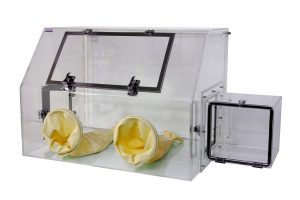
Handling hazardous materials requires strict safety measures to protect laboratory professionals, research samples, and the surrounding environment. When you work with toxic chemicals, reactive substances, biological materials, or sensitive compounds, maintaining proper containment becomes essential. An isolation glove box provides a controlled workspace that minimizes exposure risks while allowing you to perform critical procedures safely and efficiently.
Whether you are working in pharmaceutical research, chemical processing, electronics manufacturing, or advanced scientific laboratories, choosing the right containment equipment helps you maintain safety standards and improve operational reliability.
How Does an Isolation Glove Box Protect You from Hazardous Materials?
When you handle hazardous substances in an open laboratory environment, accidental exposure can occur through direct contact, airborne particles, or chemical vapors. An isolation glove box creates a sealed working chamber that separates you from dangerous materials while allowing precise manipulation through integrated gloves.
The enclosed design helps prevent contaminants from escaping into your workspace. You can safely transfer, process, or analyze hazardous materials without directly interacting with them. This level of protection is especially important when dealing with materials that require controlled handling conditions.
By using a properly designed isolation system, you reduce workplace risks and create a safer environment for employees and sensitive operations.
Why Is Containment Important When Working with Hazardous Materials?
Containment is one of the most important factors in laboratory safety. Hazardous materials may include chemicals, powders, toxins, radioactive substances, or reactive compounds that can pose serious health and environmental risks.
An isolation glove box helps you maintain:
- Controlled exposure levels
- Reduced contamination risks
- Improved operator protection
- Better material integrity
- Compliance with safety requirements
Unlike traditional open workspaces, enclosed glove box systems provide a physical barrier between you and the hazardous substance. This allows you to perform detailed tasks while maintaining a higher level of safety.
How Does an Isolation Glove Box Improve Laboratory Safety?
A reliable containment system supports safer laboratory practices by controlling the internal environment. Depending on your application, an isolation glove box may include features such as filtration systems, controlled airflow, pressure regulation, and specialized materials designed for chemical resistance.
When you use an advanced portable isolation glove box system for hazardous material handling, you gain flexibility for different laboratory applications while maintaining a secure environment.
These systems are valuable in situations where you need:
- Protection from hazardous substances
- Controlled atmosphere conditions
- Secure sample handling
- Prevention of cross-contamination
- Increased process accuracy
A well-designed glove box allows you to focus on your work without compromising safety.
What Industries Benefit from Isolation Glove Box Technology?
Many industries depend on isolation systems to manage hazardous or sensitive materials. These include:
Pharmaceutical Research
Drug development and formulation processes often involve sensitive compounds that require controlled handling. Isolation glove boxes help researchers prevent contamination and maintain product quality.
Chemical Laboratories
Chemical experiments involving toxic or reactive materials require proper containment. A glove box provides a secure workspace where you can handle chemicals with reduced exposure risks.
Biotechnology Applications
Biological research may require controlled environments to protect both researchers and samples. Isolation systems support safe manipulation of sensitive biological materials.
Electronics and Advanced Manufacturing
Certain manufacturing processes involve materials that react with moisture, oxygen, or contaminants. Controlled glove box environments help maintain product reliability.
What Features Should You Consider Before Choosing an Isolation Glove Box?
Selecting the right system depends on your specific application requirements. Before purchasing, consider factors such as:
Material Compatibility
Ensure the glove box construction materials can withstand the chemicals or substances you plan to handle.
Filtration Capability
Effective filtration helps control harmful particles, vapors, and contaminants inside the enclosure.
Size and Workspace Requirements
Choose a system that provides enough internal space for your procedures while fitting efficiently into your facility.
Accessibility and Ergonomics
A user-friendly design allows you to perform tasks comfortably while maintaining proper containment.
Maintenance Requirements
Easy cleaning, filter replacement, and inspection procedures help extend equipment performance.
How Can You Improve Safety with the Right Containment Equipment?
Safety depends not only on having protective equipment but also on selecting solutions designed for your specific needs. A properly engineered isolation system helps you maintain consistent protection during repeated operations.
If you require reliable containment solutions, explore the portable isolation glove box equipment for safe hazardous material processing from CleaTech LLC. Their specialized laboratory solutions are designed to support controlled environments and safer material handling procedures.
Choosing professional-grade equipment helps you reduce risks, improve workflow efficiency, and maintain higher safety standards across your facility.
Why Choose CleaTech LLC for Isolation Glove Box Solutions?
When your work involves hazardous materials, equipment quality matters. CleaTech LLC provides laboratory and cleanroom solutions designed for demanding applications where safety and reliability are essential.
By selecting the right containment technology, you can create a safer workspace while protecting valuable materials and improving operational control.
For customized solutions and expert assistance, you can connect with CleaTech LLC through their official website and discuss your specific laboratory requirements. Their team can help you identify the appropriate containment equipment for your application.
Conclusion
An isolation glove box plays a critical role in protecting professionals who handle hazardous materials. By creating a sealed and controlled workspace, it minimizes exposure risks, prevents contamination, and supports safer laboratory operations.
From chemical research to advanced manufacturing, these systems provide the protection and control needed for complex procedures. Investing in the right containment solution allows you to improve safety, maintain compliance, and achieve reliable results in your workplace.
For expert guidance on selecting the ideal containment solution for your needs, Contact us today to discuss your requirements and explore suitable laboratory safety options.
Frequently Asked Questions
What is an isolation glove box used for?
An isolation glove box is used to safely handle hazardous, sensitive, or contamination-prone materials by creating a sealed workspace that protects operators and maintains controlled conditions.
How does an isolation glove box prevent contamination?
It prevents contamination by isolating materials inside an enclosed chamber and controlling airflow, filtration, and handling conditions during laboratory procedures.
Can an isolation glove box handle hazardous chemicals?
Yes, many isolation glove boxes are designed for handling hazardous chemicals when selected with appropriate materials, filtration systems, and safety features.
What industries use isolation glove boxes?
Pharmaceutical, biotechnology, chemical research, electronics manufacturing, and advanced laboratory industries commonly use isolation glove boxes for controlled material handling.
How do I choose the right isolation glove box?
You should consider material compatibility, workspace size, filtration requirements, application needs, and safety standards before selecting an isolation glove box.


