Choosing the right biological safety cabinet is essential when you handle biological materials, infectious agents, cell cultures, or other potentially hazardous substances. Your selection affects personnel protection, sample integrity, and laboratory contamination control. However, not every cabinet suits every application. You need to evaluate your biological risk level, workflow requirements, airflow design, and applicable safety standards before making a decision. By matching the cabinet to your specific laboratory activities, you can establish safer working conditions and support consistent research results.
Identify Your Biological Risk Level
Start by assessing the biological materials you handle and the potential hazards associated with your procedures. Consider the likelihood of exposure through inhalation, direct contact, splashes, or accidental spills. Your laboratory’s biosafety risk assessment should guide the type of containment equipment you require.
For routine work involving low-risk biological materials, your needs may differ significantly from those of a laboratory handling potentially infectious microorganisms. Higher-risk procedures may require stricter containment measures, specialized facilities, and additional protective equipment.
Before purchasing a cabinet, document:
- The biological agents and materials used in your workflow.
- The potential exposure routes and consequences.
- The level of personnel and environmental protection required.
- The applicable institutional biosafety procedures and regulations.
- The containment requirements established by your biosafety officer.
This assessment helps you narrow down suitable cabinet options instead of choosing equipment based solely on price or dimensions.
Understand the Differences Between Biological Safety Cabinet Classes
Biological safety cabinets are commonly classified as Class I, Class II, and Class III. Each class offers a different approach to containment and protection.
Class I Biological Safety Cabinets
Class I cabinets protect personnel and the surrounding environment by drawing air inward across the work opening and exhausting it through appropriate filtration. However, they do not provide product protection because the incoming air can pass over the work area without HEPA filtration.
Consider this design only when its protection characteristics align with your procedure and sample requirements.
Class II Biological Safety Cabinets
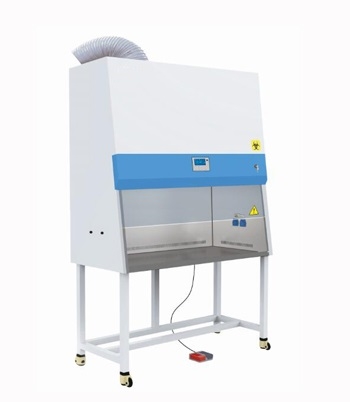
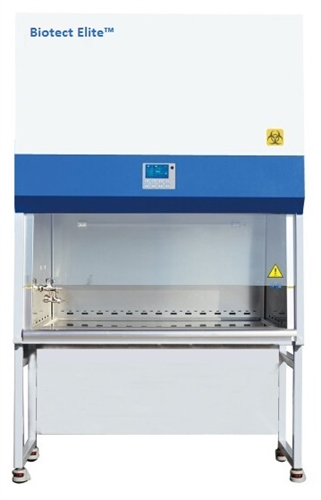
Class II cabinets provide personnel, environmental, and product protection through a combination of inward airflow, HEPA-filtered air, and controlled airflow patterns. They are widely used in clinical, microbiological, pharmaceutical, and research laboratories.
Different Class II types have different airflow and exhaust arrangements. For example, Type A2 cabinets recirculate a portion of their filtered air and typically discharge the remaining air through a HEPA filter. Other configurations may be appropriate for specific applications or exhaust requirements.
Review the available biological safety cabinets for laboratory personnel and sample protection to compare equipment options against your risk assessment.
Class III Biological Safety Cabinets
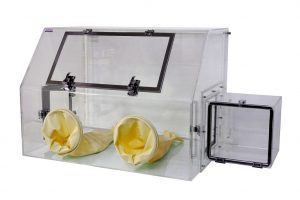
Class III cabinets are gas-tight, enclosed systems designed for maximum containment in specialized high-risk applications. Personnel work through attached gloves rather than an open front access area.
These systems require specialized installation, operating procedures, and facility planning. Consult your biosafety officer to determine whether this containment level is necessary.
Match Cabinet Performance to Your Workflow
Your daily activities should determine the cabinet configuration you select. Consider how frequently you perform procedures, the equipment placed inside the cabinet, and the materials handled during each task.
For cell culture work, prioritize product protection, stable airflow, and a layout that supports aseptic technique. For microbiological procedures involving potentially infectious materials, evaluate containment performance and the appropriate cabinet class. For clinical sample preparation, consider workflow volume, ease of cleaning, and compatibility with established laboratory protocols.
Check these practical requirements before purchasing:
Working dimensions: Confirm that the usable interior accommodates your instruments and supplies without overcrowding.
Airflow performance: Verify that the cabinet is designed for your intended application and can maintain the required airflow conditions.
Filtration: Review HEPA filter specifications and the manufacturer’s maintenance requirements.
Ergonomics: Evaluate sash height, visibility, reach, and operator comfort.
Cleaning: Look for accessible surfaces and materials compatible with your approved disinfectants.
Noise and utilities: Confirm acceptable operating noise and the availability of electrical and exhaust connections where required.
Avoid placing unnecessary equipment inside the cabinet. Overloading the work area can disrupt airflow and compromise containment.
Evaluate Chemical Compatibility and Exhaust Requirements
A biological safety cabinet is not automatically suitable for every chemical or hazardous vapor. HEPA filters capture airborne particles but do not remove most chemical vapors and gases.
If your workflow combines biological materials with volatile chemicals, toxic substances, or radionuclides, evaluate the exact cabinet type and its approved applications. Some specialized configurations may support limited chemical use under defined conditions, while other procedures require a chemical fume hood or a different containment solution.
Do not assume that connecting a cabinet to an exhaust system makes every application safe. Improper exhaust arrangements can affect airflow balance and cabinet performance.
Discuss chemical compatibility, exhaust design, and facility requirements with the manufacturer and your laboratory safety team before installation.
Check Certification, Installation, and Maintenance
A suitable cabinet must continue to perform correctly after installation. Before purchasing, verify that the model meets applicable standards and that qualified technicians can test and maintain it.
In the United States, NSF/ANSI 49 is an important standard for Class II biological safety cabinets. Depending on your location, application, and institutional requirements, other standards or regulatory provisions may apply.
Plan for the following activities:
- Verify the cabinet’s specifications and documentation before purchase.
- Confirm that the installation location supports the required airflow and clearances.
- Arrange field certification after installation and before operational use, as required by applicable standards and procedures.
- Schedule recurring certification and maintenance according to the relevant standard, institutional policy, and manufacturer guidance.
- Inspect alarms, airflow indicators, filters, and other critical components as specified by the manufacturer.
- Train personnel in correct cabinet operation, cleaning, and emergency procedures.
Certification and maintenance are essential parts of your containment program, not optional extras.
Compare Total Ownership Costs
The purchase price represents only one part of your investment. A cabinet with a lower initial cost may require more expensive installation, specialized exhaust connections, replacement filters, or service visits.
Compare the complete cost of ownership, including installation, certification, energy consumption, maintenance, replacement parts, and expected service life. Also consider whether the supplier can provide technical documentation and support when your laboratory needs assistance.
Global Lab Supply provides laboratory equipment options that you can evaluate against your application requirements. Review your specifications carefully before selecting a model, and request technical clarification whenever a critical requirement is uncertain.
To discuss your application and equipment requirements, contact us today for biological safety cabinet selection assistance.
Frequently Asked Questions
1. Which biological safety cabinet is best for routine laboratory work?
A Class II biological safety cabinet is commonly selected for routine microbiological and cell culture procedures requiring personnel, environmental, and product protection. Your final choice should depend on the materials handled, procedure-specific risks, and required containment level.
2. What is the difference between a biological safety cabinet and a fume hood?
A biological safety cabinet is designed primarily to control biological hazards and, in suitable classes, protect samples. A chemical fume hood is designed to capture and exhaust hazardous chemical vapors. Neither should be substituted for the other without verifying application suitability.
3. How do you determine the correct cabinet size?
Measure your available installation space and identify the instruments, containers, and supplies required for your workflow. Choose a cabinet that accommodates these items without obstructing airflow or compromising safe working practices.
4. How often should a biological safety cabinet be certified?
Certification frequency depends on the applicable standard, local requirements, and institutional policy. In many US laboratory settings, NSF/ANSI 49 calls for annual field certification of Class II cabinets, with additional testing after installation, relocation, or relevant repairs as applicable.
5. Can you use a biological safety cabinet for chemical handling?
Not automatically. HEPA filtration does not remove most chemical vapors. You must verify the cabinet’s approved chemical-use limitations, exhaust configuration, and suitability for the specific substances and procedures involved.
Conclusion
Selecting a biological safety cabinet requires more than comparing models and prices. You need to assess biological risks, distinguish between cabinet classes, match performance to your workflow, and confirm installation, certification, and maintenance requirements. By evaluating these factors before purchasing, you can choose equipment that supports safer laboratory operations, protects sample integrity, and meets your facility’s containment objectives.