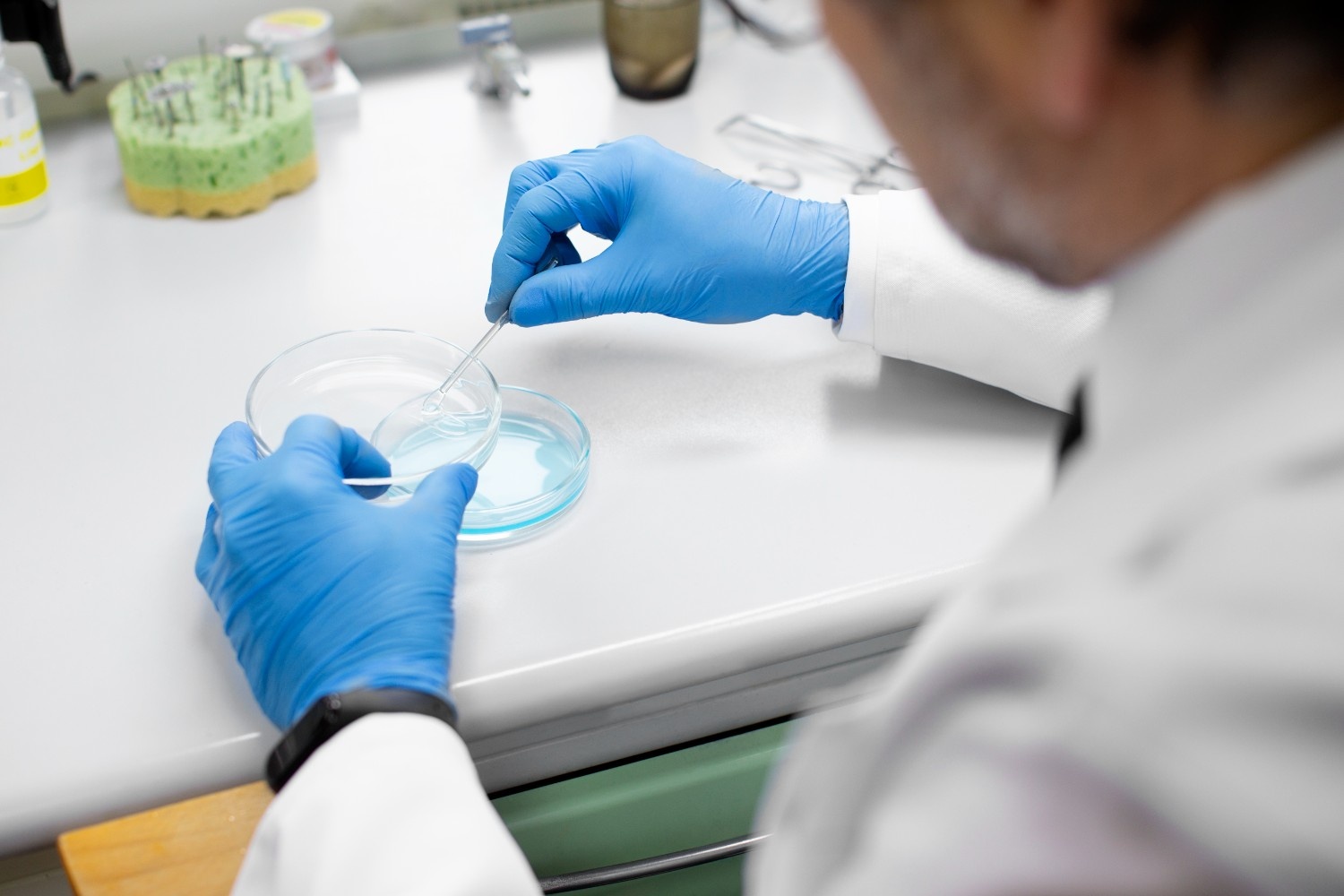
Selecting the right laboratory is one of the most important decisions you can make when outsourcing protein characterization. The quality of your experimental data depends heavily on the expertise, equipment, and analytical methods used by the laboratory you choose. Whether you work in biotechnology, pharmaceuticals, food science, or academic research, you should compare protein analysis providers carefully before committing your project to an external team.
Instead of choosing a lab based only on price, you should evaluate its scientific capabilities, quality standards, turnaround times, and customer support. A reliable laboratory can improve research efficiency, reduce costly mistakes, and provide dependable data that supports confident decision-making.
Define Your Protein Analysis Requirements First
Before comparing laboratories, identify exactly what your project requires. Every research project has unique objectives, and understanding your needs will help you find the best laboratory.
Ask yourself questions such as:
- Do you need protein identification or characterization?
- Is molecular weight analysis required?
- Are you looking for purity assessment?
- Do you need quantitative protein analysis?
- Will your samples require specialized preparation?
Clear project goals make it easier to compare laboratories based on their technical strengths instead of selecting one that may not offer the services you actually need.
Evaluate Scientific Expertise
One of the strongest indicators of a reliable laboratory is its scientific experience. Protein analysis requires extensive technical knowledge, precise laboratory practices, and years of practical expertise.
When evaluating providers, consider:
- Years of experience
- Scientific publications
- Experienced research staff
- Specialized laboratory techniques
- Industry reputation
Experienced scientists understand how to troubleshoot difficult samples and recommend analytical approaches that improve data quality.
Compare Available Analytical Techniques
Not every laboratory provides the same testing capabilities. You should verify that the laboratory offers the analytical methods your research demands.
Common protein analysis techniques include:
- SDS-PAGE
- Two-dimensional gel electrophoresis
- Western blotting
- Protein quantification
- Densitometry
- Molecular weight analysis
- Custom protein characterization
Choosing a laboratory with multiple analytical capabilities gives you greater flexibility as your research evolves.
If you’re searching for a professional Protein Analysis Lab offering advanced protein characterization services, learn more about the comprehensive Protein Analysis Lab solutions for research and biotechnology applications.
Review Data Quality Standards
Reliable analytical data should always be reproducible and scientifically defensible.
When comparing laboratories, investigate whether they provide:
- Detailed analytical reports
- High-resolution gel images
- Quality control procedures
- Standardized workflows
- Data interpretation assistance
A laboratory that follows rigorous quality assurance practices can significantly improve confidence in your experimental results.
Assess Equipment and Technology
Modern instrumentation plays an essential role in accurate protein analysis.
Ask whether the laboratory regularly updates its equipment and maintains calibration schedules. Advanced imaging systems, high-quality electrophoresis equipment, and sensitive detection methods contribute to more consistent and reliable outcomes.
Technology alone is not enough, but when combined with experienced scientists, it greatly enhances analytical accuracy.
Consider Customization Options
Every research project presents unique challenges. Some laboratories only perform standardized tests, while others customize protocols based on your samples.
Flexible laboratories may offer:
- Customized experimental design
- Specialized staining methods
- Multiple sample formats
- Unique protein separation strategies
- Tailored reporting options
Customization allows your outsourced analysis to align more closely with your research objectives.
Compare Turnaround Time
Research timelines are often tight. Delayed laboratory results can slow product development, publication schedules, or manufacturing decisions.
When evaluating outsourcing partners, ask about:
- Average turnaround time
- Rush service availability
- Sample processing schedules
- Communication during testing
Fast delivery is valuable, but accuracy should always remain the highest priority.
Evaluate Communication and Technical Support
Excellent laboratories do more than generate reports—they communicate throughout the project.
You should look for providers that answer technical questions promptly and explain analytical results clearly.
Helpful customer support includes:
- Pre-project consultation
- Sample submission guidance
- Technical recommendations
- Result interpretation
- Ongoing project communication
Strong communication minimizes misunderstandings and improves project success.
Compare Cost Without Sacrificing Quality
Outsourcing decisions should balance affordability with scientific quality.
Instead of selecting the lowest-priced provider, compare:
- Included analytical services
- Reporting quality
- Scientific expertise
- Method validation
- Customer support
Paying slightly more for reliable analytical data can save significant time and expense later by preventing inaccurate conclusions or repeated experiments.
Review Reputation and Client Experience
A laboratory’s reputation often reflects years of consistent performance.
Before outsourcing, review:
- Client testimonials
- Research collaborations
- Scientific credibility
- Industry experience
- Long-term customer relationships
Positive feedback from researchers and biotechnology organizations can provide additional confidence in your decision.
Verify Sample Handling Procedures
Protein samples can be sensitive to temperature, contamination, and improper storage.
Ask laboratories how they manage:
- Sample shipping
- Storage conditions
- Chain of custody
- Sample tracking
- Preservation methods
Proper handling ensures your samples remain stable throughout the analytical process.
Ask About Reporting and Documentation
A professional laboratory should provide reports that are easy to understand and scientifically complete.
Comprehensive documentation may include:
- Experimental methodology
- Analytical findings
- Image documentation
- Quantitative results
- Interpretation notes
Well-organized reports simplify internal reviews and support regulatory or publication requirements.
Build a Long-Term Laboratory Partnership
Rather than switching laboratories for every project, consider building a long-term relationship with a trusted analytical partner.
Consistent collaboration offers several advantages:
- Better understanding of your research goals
- Improved project efficiency
- Faster communication
- Consistent analytical methods
- Reliable long-term support
When you’re ready to discuss your research requirements, Contact us today for expert protein analysis consultation and customized laboratory support.
Conclusion
Choosing the right protein analysis laboratory requires more than comparing prices. You should carefully evaluate scientific expertise, analytical capabilities, quality standards, equipment, reporting practices, communication, and overall reputation. A dependable outsourcing partner provides accurate data, valuable technical guidance, and consistent support that strengthens your research outcomes. By investing time in comparing laboratories before outsourcing, you improve the likelihood of obtaining reliable protein analysis results that help move your projects forward with confidence.
Frequently Asked Questions
Why is choosing the right protein analysis laboratory important?
A reliable protein analysis laboratory delivers accurate, reproducible data that supports research quality, product development, and informed scientific decisions.
What should you compare before outsourcing protein analysis?
You should compare scientific expertise, analytical techniques, laboratory equipment, quality control procedures, turnaround time, reporting quality, customer support, and overall reputation.
What services does a professional protein analysis laboratory typically offer?
Most professional laboratories provide protein quantification, SDS-PAGE, Western blotting, molecular weight determination, protein characterization, densitometry, and customized analytical services.
How can laboratory experience affect protein analysis results?
Experienced laboratories are better equipped to troubleshoot challenging samples, optimize testing methods, and produce reliable, reproducible analytical data.
Should you prioritize cost over quality when outsourcing protein analysis?
No. While budget matters, selecting a laboratory based solely on low pricing can compromise data quality. Reliable results, technical expertise, and comprehensive reporting provide greater long-term value.
How do you know if a protein analysis laboratory is trustworthy?
Look for experienced scientists, modern analytical equipment, strong quality assurance practices, detailed reporting, positive client feedback, and transparent communication throughout your project.